The Annoying Wobble: Why Fasteners Fail
Ever spent 30 minutes trying to tighten a wobbly chair, a shaky bike handle, or a rattling appliance panel, only for the problem to resurface days later? That persistent looseness isn't just an annoyance; it can lead to damage, instability, and even safety hazards. Most people blame general wear and tear for their loose fasteners problem — but the real cause is often surprisingly simple and preventable.
You're not alone in this frustration. Millions experience the daily annoyance of items that just won't stay put, despite repeated attempts at repair. It's a common household battle, and understanding its roots is the first step towards a lasting solution.
Understanding the Root Cause of Fastener Failure
Why do screws and bolts inexplicably loosen, even in seemingly stable structures? The issue often stems from a combination of scientific principles and practical considerations:
1. Vibration and Dynamic Loading
Everyday use subjects connections to subtle, often imperceptible vibrations and dynamic loads. Research in mechanical engineering shows that these cyclical stresses, even small ones, can lead to a phenomenon known as 'thread relaxation' or 'self-loosening'. Over time, the microscopic imperfections and elastic deformation within the fastener's threads and the joined material allow for minute movements. These accumulate, gradually reducing the clamping force and causing the fastener to back out.
Temperature fluctuations can also contribute, causing materials to expand and contract, further exacerbating the loosening process.
2. Inadequate Fastener Material and Grade
Not all screws are created equal. Many consumer products use standard, lower-grade fasteners that are sufficient for light duty but lack the tensile strength and shear resistance for more demanding applications. If a fastener's material strength is insufficient for the load it bears, it can stretch, deform, or even snap. This compromises the integrity of the connection, leading to premature loosening or complete failure. Using the wrong type of fastener for a specific material or environment also plays a critical role.
3. Improper Installation and Fit
The human element often contributes to the problem of loose fasteners. Overtightening can strip threads, damaging both the fastener and the receiving material, which immediately reduces clamping force. Conversely, undertightening leaves too much room for movement, making the connection vulnerable to vibration-induced loosening from day one. A poor fit between the fastener and the hole, or insufficient thread engagement, further compounds these issues.
The Path to Secure Connections: Solution Direction
Addressing the problem of loose fasteners requires a multi-faceted approach, moving beyond temporary fixes to lasting solutions. While regular maintenance and the use of thread-locking compounds can help, the most effective strategy often involves upgrading to fasteners specifically engineered for superior hold and durability.
The general solution direction leans towards improving the mechanical integrity of the connection itself. This means focusing on fasteners that can withstand dynamic stresses, maintain high clamping force, and resist thread relaxation over time. The most effective approach is to prioritize high-grade materials, precise manufacturing, and appropriate design for the intended application, ensuring that the fastener is a solution, not part of the problem.
Selection Checklist for Reliable Fasteners
When choosing fasteners to prevent future wobbles and ensure secure connections, consider these critical criteria:
| Criterion | Description | Why it Matters |
|---|---|---|
| Material Strength (Grade) | Look for high-tensile strength materials like 10.9 or 12.9 carbon steel. | Higher grades resist stretching, shearing, and fatigue, maintaining clamping force longer. |
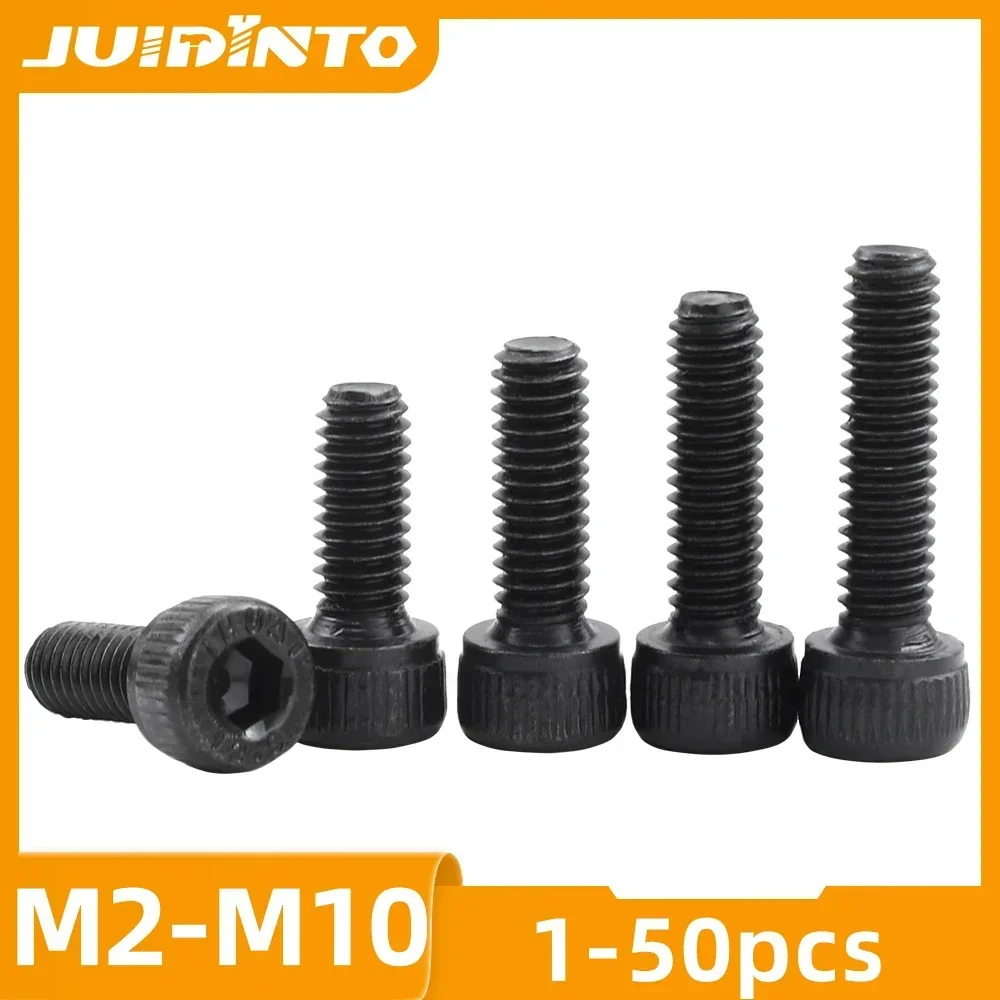
| Head Type & Drive | Hex socket (Allen) head screws offer superior torque transfer. | Reduces cam-out and stripping, allowing for proper tightening without damage. |
| Thread Precision | Consistently formed, clean threads with tight tolerances. | Ensures maximum thread engagement and resistance to self-loosening. |
| Corrosion Resistance | Consider coatings (e.g., zinc plating) or stainless steel for outdoor/damp areas. | Prevents rust and degradation, which can weaken the fastener and surrounding material. |
| Size & Length | Correct diameter and length for adequate thread engagement without bottoming out. | Essential for achieving optimal clamping force and preventing material damage. |
Prioritizing these factors ensures you're selecting fasteners designed for resilience and longevity, directly tackling the root causes of loosening.
A product that meets these stringent criteria often features advanced material composition and precision engineering. For instance, the JUIDINTO 1-50pcs Hex Socket Head Cap Screw 12.9 Carbon steel Allen Screw M2 M2.5 M3 M4 M5 M6 M8 M10 Hex Cap Screw Bolt for MTB $1.46 Affiliate disclosure: We may earn a commission at no extra cost to you.More in improvement