Understanding the Frustration of TV Eye Strain
Ever settled in for a movie night, ready to relax in your dimly lit living room, only to finish feeling more tired than entertained? Many people experience a peculiar discomfort after prolonged screen time in a dark environment. This isn't just about feeling sleepy; it's a specific kind of eye strain that can manifest as dryness, irritation, headaches, and even temporary blurred vision. You might blame the screen itself, but the real issue is often more subtle and surprisingly common.
This persistent problem affects millions of viewers globally, turning what should be a relaxing activity into a source of physical fatigue. Fortunately, understanding its root causes provides a clear path to relief and enhanced viewing pleasure.
The Science Behind Your Aching Eyes
The human eye is an incredible organ, constantly adapting to its surroundings. However, when faced with extreme light differences, it struggles, leading to discomfort. Scientific research into visual ergonomics points to specific physiological responses that explain this phenomenon.
Why Contrast is the Silent Culprit
The primary reason for eye strain when watching TV in a dark room is the stark contrast between the bright screen and the dark environment. Your eyes are constantly trying to adjust to two vastly different light levels simultaneously.
- Pupil Dilation and Constriction: In a dark room, your pupils dilate to let in more light. When a bright TV screen dominates your field of vision, your pupils then constrict to reduce the incoming light. This continuous, rapid dilation and constriction, known as accommodative spasm, forces the muscles in your eyes to work overtime, leading to fatigue and strain.
- Reduced Blink Rate: When engrossed in content, viewers tend to blink less frequently. This reduces the natural lubrication of the eyes, contributing to dryness, irritation, and a gritty feeling, often exacerbating the discomfort caused by contrast.
- Color Adaptation Issues: Your brain attempts to white-balance the image on the screen against a reference point. In a completely dark room, there's no neutral reference, which can make colors appear unnatural and further stress your visual system as it tries to compensate.
The lack of ambient light around the display creates an optical illusion that makes the screen appear even brighter than it is, intensifying the strain.
The Path to Comfortable TV Viewing
Given the root causes, the solution direction becomes clear: reduce the extreme contrast between your TV screen and its surroundings. While turning on all the room lights can help, it often introduces glare on the screen and diminishes the immersive experience. The most effective approach involves introducing a controlled, soft ambient light behind the television, a technique widely known as bias lighting or TV backlighting.
The Power of Bias Lighting
Bias lighting works by raising the average ambient light level in the room just enough to reduce the perceived contrast. This allows your pupils to maintain a more consistent dilation, significantly reducing the muscular effort required by your eyes. It also provides a neutral reference point for your brain, improving perceived color accuracy and picture depth.
Beyond eye comfort, bias lighting enhances the overall viewing experience, making colors pop and black levels appear deeper, creating a more cinematic atmosphere without sacrificing clarity or causing glare.
How to Choose the Right Solution for Eye Comfort
Not all ambient lighting is created equal when it comes to combating TV eye strain. Selecting the right TV backlighting system requires attention to several key features to ensure it genuinely improves your viewing comfort and experience.
Key Criteria for Effective TV Backlighting
When evaluating potential solutions, consider these critical factors:
| Feature | Why It Matters |
|---|---|
| Color Temperature (CCT) | Neutral white light (around 6500K) is recommended for visual accuracy, but adjustable RGB allows for mood setting. |
| Brightness Adjustability | Crucial for matching the light output to your screen and room conditions, preventing glare or insufficient illumination. |
| Even Illumination | Look for strip lights that provide uniform light distribution around the TV, avoiding distracting hotspots. |
| USB Power Source | Conveniently powers the lights directly from your TV's USB port, syncing with the TV's power cycle. |
| Easy Installation | Adhesive backing and flexible strips simplify the setup process, ensuring a clean look. |
| Control Options | Remote control or smartphone app connectivity offers flexibility in adjusting settings without needing to reach behind the TV. |
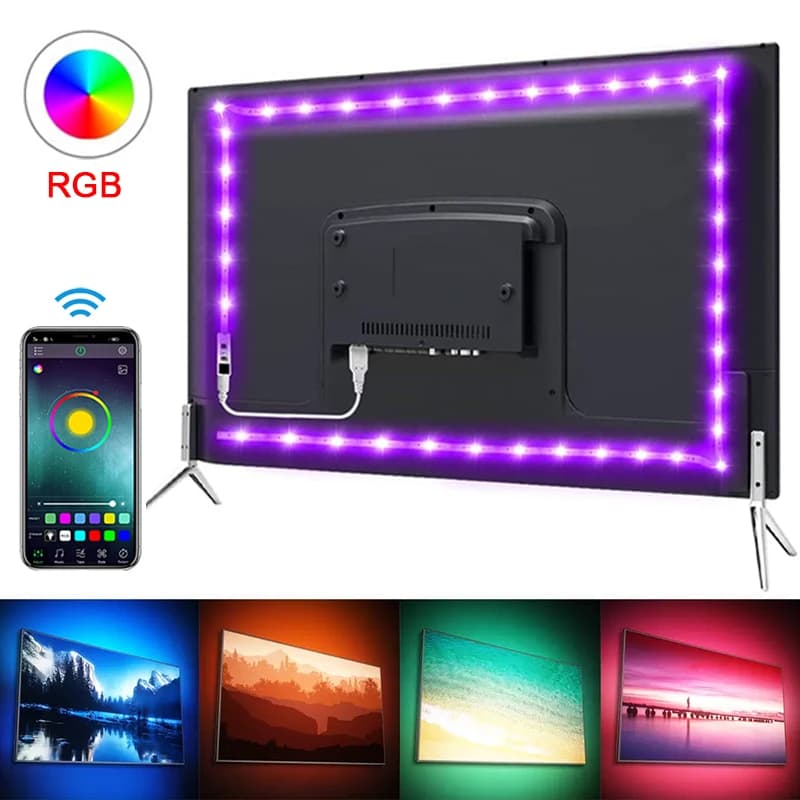
A product that exemplifies these features and helps address the problem of TV eye strain is the Led Lights for TV RGB Led Strip Light Bluetooth Control. This particular system offers a flexible LED tape that can be easily installed on the back of your television, powered conveniently via USB. It provides both neutral white and a wide range of RGB colors, allowing you to choose between optimal visual comfort and dynamic mood lighting. Its Bluetooth control via a smartphone app ensures seamless adjustment of brightness and color, making it a highly adaptable solution for any home entertainment setup in 2026. This type of backlighting system reduces the harsh contrast that fatigues your eyes, promoting a more comfortable and immersive viewing experience.
See details and current price →
Enhance Your Viewing Experience Without Extra Purchases
While bias lighting is highly effective, several other practices can help mitigate TV eye strain, even without buying additional products. Incorporating these simple habits into your routine can further protect your eyes and enhance your comfort.
- Employ the 20-20-20 Rule: Every 20 minutes, look at something 20 feet away for at least 20 seconds. This simple exercise allows your eye muscles to relax and refocus, reducing strain.
- Adjust TV Settings: Experiment with your television's brightness, contrast, and color temperature settings. Often, default settings are too bright for dark room viewing. Lowering the brightness slightly can make a significant difference.
- Blink More Frequently: Consciously remind yourself to blink more often. This keeps your eyes well-lubricated, preventing dryness and irritation that contribute to discomfort.
- Maintain Optimal Viewing Distance: Sit at an appropriate distance from your TV. For most modern HD TVs, this is typically 1.5 to 2.5 times the diagonal screen size. Sitting too close can exacerbate eye strain.
These practices, combined with a proper backlighting solution, create a comprehensive strategy for ultimate visual comfort.
Reclaim Your Comfort and Enjoyment
Eliminating eye strain from your TV viewing isn't about giving up your favorite shows or movies; it's about making a few informed adjustments. Understanding the science behind contrast and pupil fatigue empowers you to create an environment that's both immersive and comfortable. Whether through investing in quality bias lighting or simply adopting better viewing habits, your eyes will thank you.
We encourage you to experiment with these solutions and discover what works best for your home setup. Share your experiences and tips in the comments below – how have you tackled TV eye strain?