Are You Misinformed About Electrical Connections?
You've probably heard that soldering is the gold standard for electrical connections, especially in demanding environments like automotive wiring. Many enthusiasts and professionals alike swear by a molten joint for its perceived strength and conductivity. They envision a seamless bond, free from the mechanical vulnerabilities often associated with other connection methods. However, clinging to this notion might be overlooking the advancements and proven reliability of modern cold press crimp terminals.
The truth is, while soldering has its place, it’s not always the superior solution, particularly when factors like vibration, flexibility, and ease of maintenance come into play. Understanding the science behind alternative methods, such as the widely used crimp terminal, can significantly enhance the durability and safety of your electrical projects. It's time to delve into how these unsung heroes of wiring truly function.
How Cold Press Crimp Terminals Work
At its heart, a crimp terminal creates a robust electrical and mechanical connection through a process of controlled deformation. Unlike soldering, which relies on a metallurgical bond created by melting solder, cold press crimping physically compresses the wire strands and the terminal barrel together. This process, when executed correctly, forms a 'gas-tight' connection, meaning there's no oxygen present to cause corrosion between the wire and the terminal material over time.
The fundamental principle involves a specialized crimping tool applying precise pressure to the terminal's barrel, which is designed to encapsulate the stripped wire conductor. This immense pressure permanently deforms both the terminal and the wire, creating a cold weld. This mechanical bond ensures maximum surface contact between the wire and the terminal, minimizing electrical resistance and preventing strand pull-out.
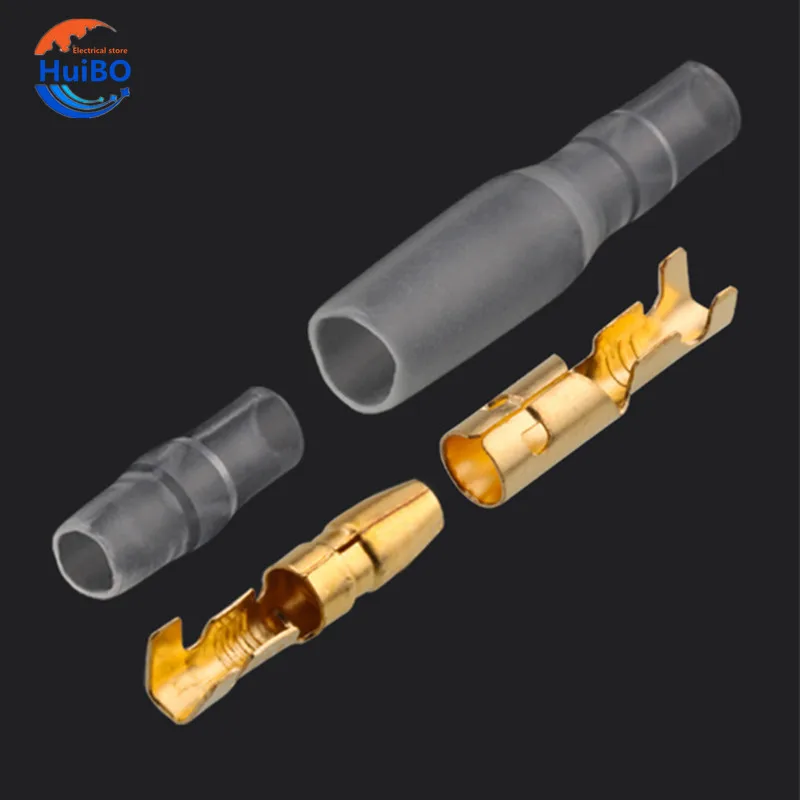
For bullet crimp terminals, specifically, the male and female components are designed for quick connection and disconnection, making them ideal for modular wiring systems in vehicles, boats, and other applications where components may need to be swapped or serviced. The terminal's material, typically tinned copper or brass, is chosen for its excellent conductivity and resistance to oxidation, further enhancing the longevity of the connection. The absence of heat during installation prevents potential damage to wire insulation or sensitive electronic components, a common risk with soldering.
Myths vs. Facts About Crimp Terminals
Myth 1: Soldering is Always Superior to Crimping
- Fact: While soldering creates a strong bond, it can be brittle and prone to failure under vibration, which is a constant factor in automotive and industrial applications. Research from organizations like NASA and SAE (Society of Automotive Engineers) often recommends properly executed crimps over solder for specific, high-vibration applications due to their inherent flexibility and resistance to fatigue. A quality crimp terminal connection, made with the correct tool, offers a strong, low-resistance, and vibration-resistant joint that can outperform a poor solder joint.
Myth 2: Any Crimp Tool Will Do the Job
- Fact: The quality and reliability of a crimp are heavily dependent on using a tool that precisely matches the terminal's design and the wire gauge. Generic pliers or incorrect crimp dies can lead to loose connections, wire damage, or insufficient compression, resulting in high resistance, intermittent signals, and potential overheating. Professional-grade, die-matched crimpers are essential for creating durable and safe cold press terminals. Investing in the right tool is paramount for achieving a gas-tight, secure connection.
Myth 3: Crimp Terminals Are Temporary and Prone to High Resistance
- Fact: When properly installed, modern crimp terminals create highly conductive, durable connections with resistance often on par with, or even lower than, a poorly soldered joint. The gas-tight seal prevents oxidation between the wire and the terminal, maintaining low resistance over extended periods. Many OEM automotive and industrial manufacturers rely exclusively on crimped connections for their longevity, performance, and ability to withstand harsh environmental conditions.
Myth 4: Bullet Connectors Are Only for Quick, Low-Power Fixes
- Fact: While convenient for quick connections, bullet connectors, when correctly crimped and insulated, are designed for robust, repeatable connections in a wide range of power applications. Their design allows for easy assembly and disassembly, which is invaluable for maintenance, diagnostics, or adding accessories without cutting wires. High-quality electrical wire connectors of the bullet type are engineered for long-term use and can handle significant current loads when sized appropriately.
Selection Criteria for Quality Crimp Terminals
Choosing the right crimp terminals is crucial for ensuring the integrity and safety of any electrical system. Here are key factors to consider:
- Material Composition and Plating: Look for terminals made from high-conductivity materials like copper or brass. These materials offer low electrical resistance. Crucially, they should be tin-plated for enhanced corrosion resistance. Tin plating provides a protective barrier against oxidation and environmental factors, which is critical for long-term reliability, especially in humid or chemically exposed environments.
- Wire Gauge Compatibility: It is absolutely essential to match the crimp terminal to the specific wire gauge (AWG or mm²) you are using. A terminal that is too large for the wire will result in a loose, insecure crimp, leading to high resistance and potential failure. Conversely, a terminal that is too small can damage the wire strands or prevent a proper crimp altogether. Many reputable manufacturers color-code their terminals to indicate their compatible wire range, simplifying selection.
- Insulation Type and Quality: Consider whether the terminal comes pre-insulated (e.g., nylon, vinyl, heat-shrinkable polyolefin) or if you will need to add external insulation like heat-shrink tubing. High-quality insulation provides essential electrical isolation, prevents short circuits, and often offers strain relief, protecting the connection from physical stress and abrasion. Heat-shrink insulation offers superior environmental sealing.
- Crimping Barrel Design: Examine the terminal's barrel design. Closed-barrel terminals, common in many applications, offer excellent mechanical strength when properly crimped. Open-barrel terminals (often called F-crimp or stamped terminals) require specific tooling but can also provide reliable connections. Ensure the design is compatible with your crimping tool for optimal results.
Usage and Optimization Tips for Crimp Terminals
Ensuring reliable electrical connections is paramount, whether in automotive projects, marine applications, or home electronics. A product that meets these stringent criteria for material quality, gauge compatibility, and design is often found in comprehensive sets of 4.0 bullet crimp terminals. These sets typically include both male and female connectors along with insulating sleeves and sometimes a storage case, catering to various wiring needs across different projects. Such a cold press terminal set, like the 25/50/100 sets 4.0 bullet Crimp terminal car electrical wire connector diameter 4mmFemale + Male + Case Cold press terminal, provides components that meet industry standards for robust electrical connections.
25/50/100sets 4.0 bullet Crimp terminal car electrical wire connector diameter 4mmFemale + Male + Case Cold press terminal
$1.93
Shop Now on AliExpress →Affiliate disclosure: We may earn a commission at no extra cost to you.