The Questions That Shape Modern Fabrication
In the dynamic world of manufacturing and industrial fabrication, the efficiency and precision of metal pipe and tube cutting operations are paramount. Businesses frequently grapple with challenges ranging from labor shortages and material waste to slow production times and inconsistent quality. The need for advanced solutions is a recurring theme across forums and industry discussions.
We collected the most-asked questions from forums and communities about optimizing metal tube processing. Here are the 6 most common questions about automatic metal pipe cutting, answered once and for all, providing expert insights into transforming your operations.
What are the Biggest Challenges with Traditional Metal Pipe and Tube Cutting?
Traditional methods for cutting metal pipes and tubes, often involving manual measurement, band saws, or plasma torches, present significant bottlenecks in modern production. These methods are inherently slow and labor-intensive, directly impacting throughput and profitability.
- Low Precision & High Error Rates: Manual cutting relies heavily on operator skill, leading to inconsistencies, miscuts, and a higher tolerance for error. According to industry reports, manual processes can see variance up to ±2mm, unacceptable for precision assembly.
- Significant Material Waste: Inaccurate cuts and inefficient nesting (how pieces are arranged on the raw material) can lead to substantial scrap rates, often exceeding 10-15% of raw material costs.
- Increased Labor Costs: Each pipe requires manual handling, measurement, and cutting, demanding considerable operator time and skill, driving up operational expenses.
- Limited Complexity: Traditional methods struggle with intricate shapes, angles, and complex profiles, restricting design possibilities and product innovation. Achieving precise bevels or multiple holes on a single tube is often impossible or extremely time-consuming.
- Safety Concerns: Manual handling of heavy, sharp metal pipes and operating cutting tools poses considerable safety risks to employees.
How Does CNC Automation Specifically Improve Efficiency in Pipe Cutting?
Computer Numerical Control (CNC) automation revolutionizes metal pipe cutting by integrating digital control over every aspect of the cutting process. This shift moves away from manual intervention, leading to dramatic improvements in speed, accuracy, and consistency.
Data suggests that implementing CNC systems can reduce production time for complex parts by up to 70% compared to manual methods. This is primarily due to:
- Repeatable Accuracy: CNC machines follow pre-programmed instructions with sub-millimeter precision (e.g., ±0.05mm), ensuring every cut is identical, critical for assembly.
- Higher Processing Speeds: Automated systems operate continuously at optimal speeds, significantly boosting throughput. A single CNC machine can often replace multiple manual workstations.
- Reduced Setup Times: Once a program is loaded, the machine can begin cutting almost immediately, minimizing non-productive setup phases.
- Optimized Material Utilization: Advanced software can automatically nest parts on the raw pipe, minimizing waste and maximizing the number of pieces obtained from each length of material.
- Unattended Operation: Many CNC systems can operate for extended periods without direct supervision, freeing up personnel for other tasks and enabling lights-out manufacturing.
| Feature | Manual Pipe Cutting | CNC Automated Pipe Cutting |
|---|---|---|
| Precision | Low (±1-2mm) | High (±0.05-0.1mm) |
| Speed | Slow, operator-dependent | Fast, continuous |
| Labor Cost | High per cut | Low per cut, supervisory |
| Material Waste | High (10-15%+) | Low (3-5%) |
| Complexity | Limited | High (complex profiles) |
| Safety | Higher risk | Lower risk |
What Role Does Fiber Laser Technology Play in Modern Metal Tube Processing?
Fiber laser technology represents the cutting edge in metal processing, offering distinct advantages over older laser and plasma cutting methods, especially for metal pipe cutting. Its focused beam delivers intense energy, resulting in superior cut quality and versatility.
- Exceptional Cut Quality: Fiber lasers produce very narrow kerf widths and smooth, dross-free edges, often eliminating the need for secondary finishing processes like grinding or deburring.
- High Speed & Efficiency: These lasers are significantly faster than CO2 lasers, particularly on thinner gauge metals. Their high electrical efficiency also translates to lower operating costs.
- Versatility Across Materials: Fiber lasers can effectively cut a wide range of metals, including stainless steel, carbon steel, aluminum, brass, and copper, accommodating various industry needs. They handle thicknesses from 0.5mm up to 20mm with ease for steel, and even thicker for specialized applications in 2026.
- Minimal Heat Affected Zone (HAZ): The precise and rapid nature of fiber laser cutting reduces the heat input into the material, minimizing distortion and preserving the material's integrity.
- Low Maintenance: Fiber lasers have no moving parts in the beam path, leading to higher reliability and reduced maintenance requirements compared to other laser types.
What are the Key Features to Look for in an Automated Bundle Loading System for Tube Cutting?
For high-volume operations, an automated bundle loading system is a game-changer for metal pipe cutting. This feature allows for continuous, unattended operation, maximizing machine utilization and throughput.
Automatic Feeding and Alignment
- Bundle Capacity: Look for systems that can hold a substantial quantity of raw pipes (e.g., 6-8 meters in length, up to 6 tons of material) to minimize loading interruptions.
- Automated Singulation: The system should reliably pick one tube at a time from the bundle and feed it accurately into the cutting area.
- Precision Alignment: Critical for maintaining cut accuracy, the loader must ensure tubes are perfectly centered and oriented before cutting begins.
Optimized Material Handling
- Support for Diverse Shapes: The loader should accommodate various tube shapes, including round, square, rectangular, and even some open profiles, without extensive manual adjustments.
- Smooth Transfer: A robust conveyor and clamping system prevents damage to the material during loading and transfer.
- Remaining Material Management: Efficient systems automatically manage and eject remnant pieces, preventing jams and maximizing material use.
Integration and Control
- Seamless Software Integration: The loading system must be fully integrated with the CNC control software for synchronized operation and easy programming.
- Safety Features: Essential safety interlocks and sensors protect operators during the automated loading process.
How Can Businesses Minimize Material Waste and Maximize Yield in Tube Fabrication?
Minimizing material waste is a critical factor in the profitability of metal pipe cutting operations. Modern automated systems offer several strategies to significantly reduce scrap and maximize the number of usable parts from each raw tube.
- Advanced Nesting Software: Sophisticated software algorithms analyze part geometries and automatically arrange them on the raw pipe to achieve the tightest possible fit. This can reduce waste by an additional 3-5% compared to basic nesting.
- Common Line Cutting: This technique allows two adjacent parts to share a single cut line, further reducing material removal and increasing yield.
- Remnant Optimization: Intelligent systems can track remaining material lengths and suggest future jobs that can utilize these smaller pieces, preventing them from becoming scrap.
- Dynamic Lead-ins/Lead-outs: The ability to precisely control where the laser starts and stops a cut minimizes material distortion and ensures cleaner cuts, allowing parts to be placed closer together.
- Reduced Setup Waste: With automated feeding and precise CNC control, the initial setup process generates minimal test cuts or wasted material.
So, What Should I Actually Look For in an Advanced Automated Pipe Cutting Solution?
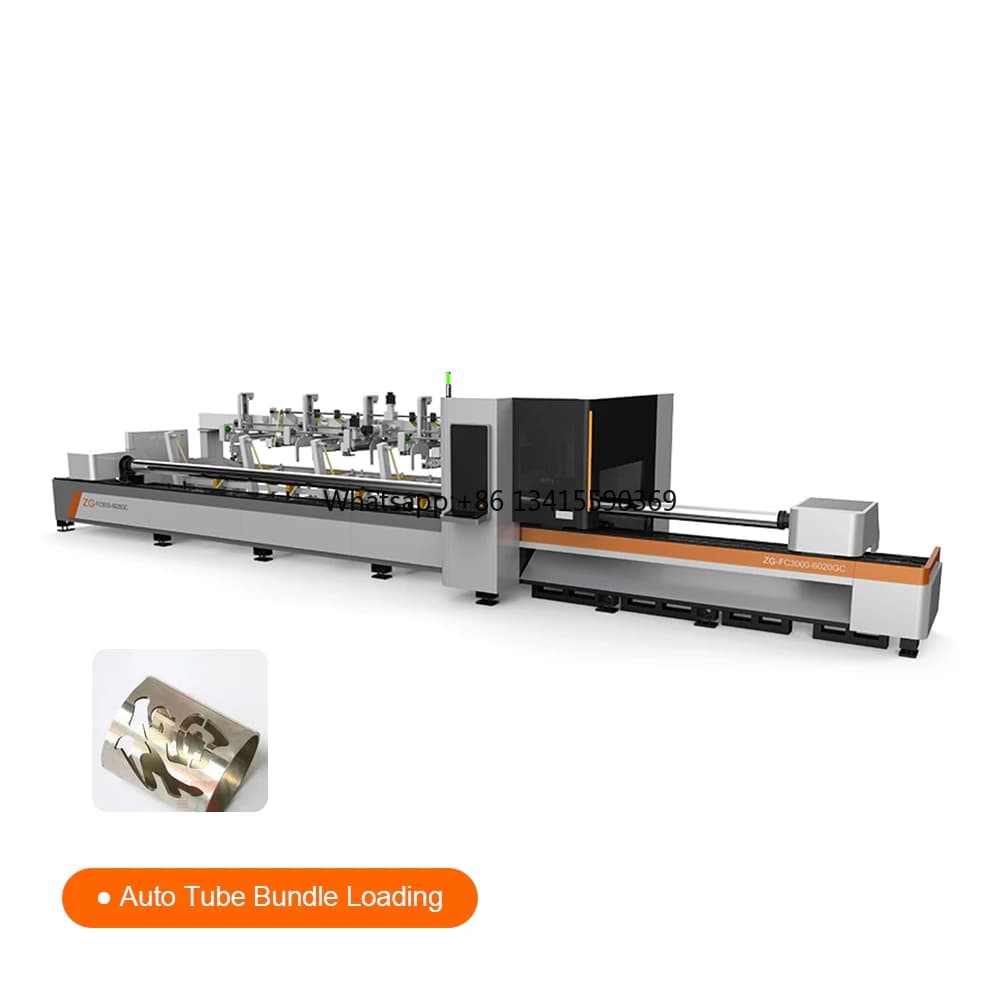
When investing in an automated metal pipe cutting solution, the focus should be on systems that integrate high-performance cutting technology with robust automation features. You need a machine that not only delivers precision but also maximizes throughput and minimizes labor. Look for a solution that combines a powerful fiber laser with comprehensive automatic feeding and rotating capabilities, designed for high-volume, complex profile cutting.
Key considerations include the laser's power output (e.g., 1000W to 6000W for diverse materials), the maximum tube diameter and length it can handle (e.g., up to 220mm diameter, 6000mm length), and the intelligence of its control system. An ideal machine offers automatic bundle loading, ensuring continuous material supply, and a fully rotating chuck system for 360-degree cutting on various tube profiles.
Advanced System Requirements:
- High-power fiber laser suitable for cutting various metal types (carbon steel, stainless steel, aluminum, copper, brass).
- Automated bundle loading and feeding mechanism for continuous, unattended operation.
- Precision rotating chuck for accurate cutting of round, square, rectangular, and oval pipes.
- Advanced CNC control system for complex pattern cutting and nesting optimization.
- Minimum processing length capabilities to efficiently utilize material remnants.
Summary Checklist: Elevating Your Metal Tube Cutting
Here’s a quick overview of what matters most when optimizing metal pipe and tube cutting:
- Precision is Paramount: Aim for sub-millimeter accuracy to ensure perfect fit-up and reduce rework.
- Automation Drives Efficiency: CNC systems dramatically cut labor and increase throughput.
- Fiber Laser Superiority: Opt for fiber lasers for speed, quality, and material versatility.
- Bundle Loading is Key: For volume, automated feeding minimizes downtime and maximizes utilization.
- Waste Not, Want Not: Leverage intelligent nesting and remnant management to save material costs.
- Invest in Integrated Solutions: Seek machines that combine cutting-edge tech with robust material handling.
A Product That Meets These Criteria
An advanced system designed to address these challenges is the Automatic Bundle Loading CNC Fiber Metal Pipe Tube Profile Cutting Machine with Auto Feeding Rotating. This machine offers a comprehensive solution for industrial applications requiring high-precision, high-volume processing of various metal pipes and tubes. Its integrated automated bundle loading ensures a continuous supply of material, while the fiber laser technology delivers fast, clean, and accurate cuts on complex profiles across different metal types and thicknesses. Many users report significant improvements in production efficiency and material utilization after implementing this type of integrated solution.
For detailed specifications and current pricing, you can find more information here: Automatic Bundle Loading CNC Fiber Metal Pipe Tube Profile Cutting Machine with Auto Feeding Rotating $40707.42 Affiliate disclosure: We may earn a commission at no extra cost to you.More in computer
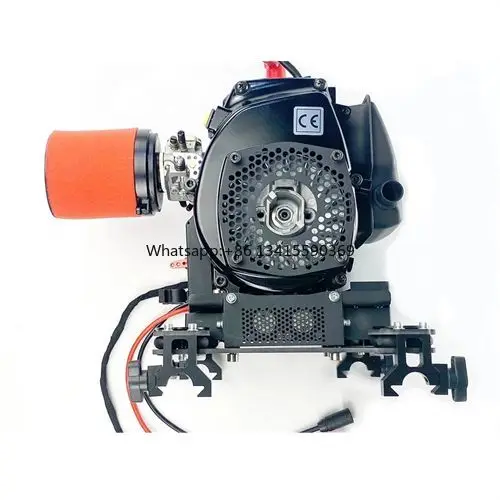
Why Your Long-Endurance Drone Missions Fail: The Critical Engine Checklist
$9193.44
Don't Waste $100: The 7-Point Mechanical Keyboard Verification Checklist
$89.00
Why Your Desk Setup Needs an Early Summer Refresh: Prevent Digital Strain
$126.48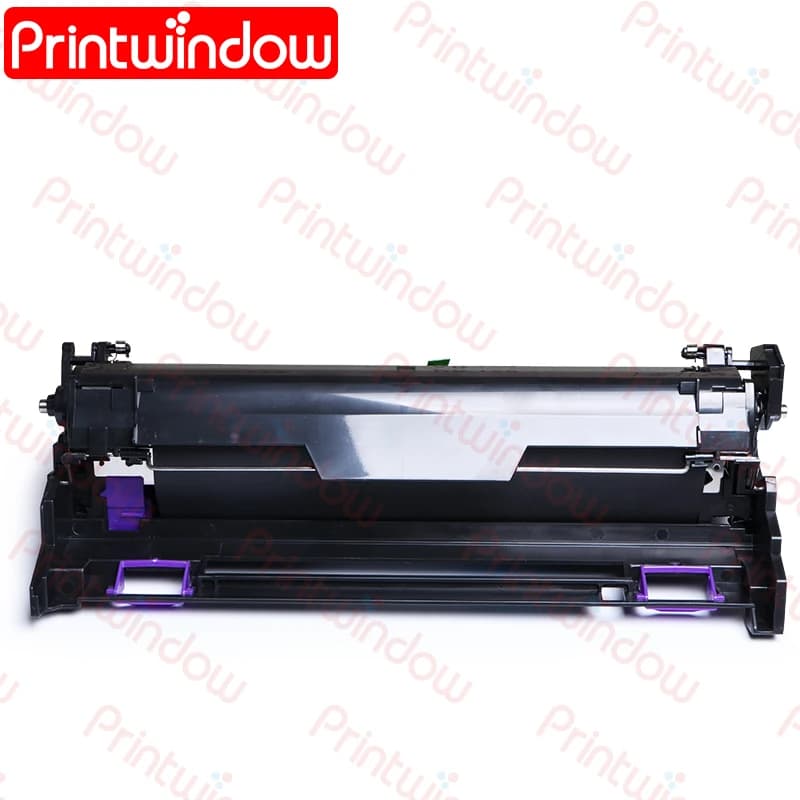
7 Critical Checks Before Buying Your Next Printer Drum Unit
$82.65