Why Your Steering Wheel Is Deteriorating—And What You Can Do About It
Most drivers don't think about their steering wheel until it's already falling apart. Cracks form in the leather or vinyl. The grip becomes slippery in summer heat or stiff in winter cold. The original color fades from constant sun exposure. By then, replacing the entire steering wheel is expensive—sometimes $300-500 in labor alone.
The good news: steering wheel covers solve this problem before it starts. But not all covers are equal. The right one protects your investment, improves comfort, and enhances your car's interior without breaking the bank.
TL;DR — Key Takeaways
- Steering wheel covers extend original wheel life by 3-5 years by blocking UV and temperature damage
- Proper grip reduces driver fatigue and improves steering control
- Material choice (leather, microfiber, carbon fiber) affects durability, comfort, and style
- Correct fit prevents slipping and ensures safe operation
- Installation method matters—hand-stitched covers provide better security than pull-on designs
The Root Cause: How Steering Wheels Deteriorate
Your steering wheel faces daily abuse. UV rays break down the material's polymers, causing fading and brittleness. Temperature swings—hot in summer, cold in winter—cause expansion and contraction, leading to cracks. Hand oils, sweat, and dirt accumulate on the surface, making it sticky or slippery depending on humidity.
After 3-5 years of regular use, the original steering wheel often shows visible wear. Leather cracks. Vinyl becomes sticky. The grip deteriorates, making driving less comfortable and potentially less safe.
A steering wheel cover addresses all three damage vectors: it blocks UV, insulates against temperature extremes, and prevents dirt and oil buildup on the original wheel underneath.
What Makes a Steering Wheel Cover Worth Buying
Not every steering wheel cover delivers the same value. The best ones share specific characteristics that affect both durability and daily usability.
1. Material Quality Determines Durability
The material you choose affects how long the cover lasts and how it feels in your hands.
| Material | Durability | Comfort | Best For |
|---|---|---|---|
| Genuine Leather | 5-7 years | Excellent grip, warm feel | Luxury cars, daily commuters |
| Microfiber Leather | 4-6 years | Soft, non-slip surface | Hot climates, frequent drivers |
| Carbon Fiber | 6-8 years | Firm grip, modern look | Performance-oriented drivers |
| Wool | 3-4 years | Plush, warm | Comfort-focused, luxury feel |
Carbon fiber and microfiber tend to outlast traditional leather in harsh conditions because they resist UV damage better and don't crack from temperature changes.
2. Fit Must Match Your Wheel Size Exactly
A loose cover will slip during turns, defeating its purpose. A cover that's too tight stretches the material and makes installation frustrating. The best covers come in size-specific options—often listed by car model and year.
Most aftermarket covers come in three standard sizes: 13-13.5 inches, 14-14.5 inches, and 15-15.5 inches. Your car's manual or a quick measurement will tell you which you need.
3. Installation Method Affects Long-Term Security
There are two main attachment methods:
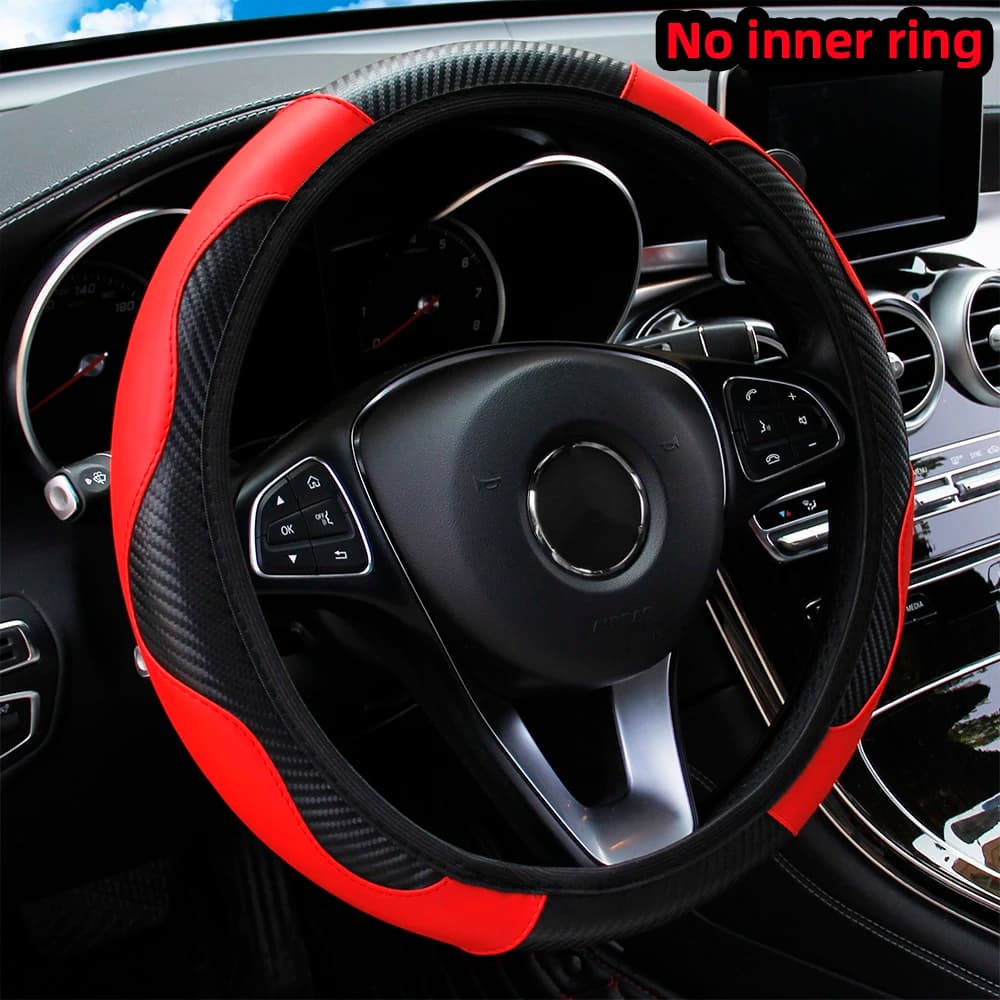
- Hand-stitched seams: The cover is hand-sewn to a backing that wraps around the wheel. More labor-intensive but provides the most secure fit. Won't slip during aggressive driving or hard turns.
- Elastic or snap-on: The cover simply pulls over the wheel. Easier to install but more prone to shifting, especially if your hands are sweaty or if you drive a performance vehicle.
For daily drivers who want maximum security, hand-stitched is worth the premium.
4. Grip Texture Reduces Driver Fatigue
The surface texture matters more than most people realize. A smooth cover becomes slippery when hands are wet or oily. A textured surface—whether from the material itself or from stitching patterns—provides better grip and reduces the hand tension needed to control the wheel.
Studies on driver fatigue show that proper grip reduces muscle tension in hands and forearms by 15-20% on long drives.
5. Customization Options for Your Car Model
The best steering wheel covers are made for specific car models, not generic "fits all" designs. This ensures proper fit, allows for cutouts around horn buttons and controls, and maintains proper weight distribution.
How to Select the Right Steering Wheel Cover for Your Vehicle
Use this checklist when evaluating options:
- Verify your car's wheel diameter (check your manual or measure)
- Choose a material that matches your climate: Hot areas benefit from microfiber; cold areas benefit from wool or carbon fiber for better heat retention
- Confirm the installation method matches your comfort level and driving style
- Check for model-specific fitment to ensure proper button access and seam placement
- Read reviews specifically from your car's owners for real-world durability reports
A Solution That Meets These Criteria
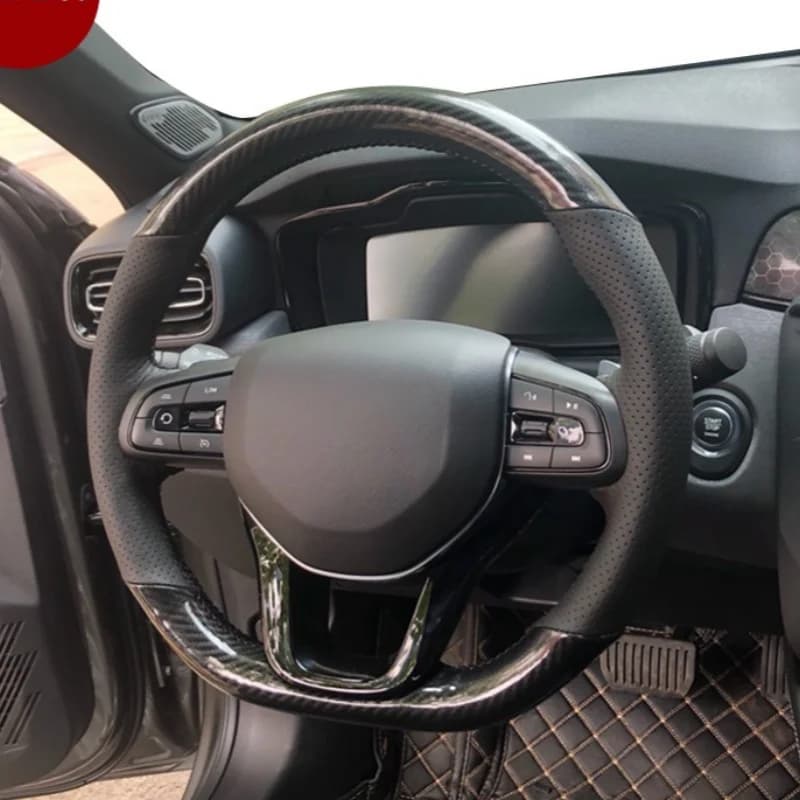
If you drive a Lynk & Co (01, 02, 03, 05, or 06 model year 2017-2023), a customized hand-sewn carbon fiber steering wheel cover is worth considering. Carbon fiber provides exceptional durability—typically lasting 6-8 years—and offers a modern, professional appearance that upgrades the car's interior feel.
Hand-stitched construction ensures the cover won't slip during cornering. The carbon fiber material resists UV damage better than leather and maintains its appearance in both hot and cold climates. Model-specific sizing means proper fitment around your horn pad and controls.
See details and current price →
Bonus Tips: Extending Your Steering Wheel Cover's Life
Clean With the Right Method
Dust your steering wheel cover weekly with a soft microfiber cloth. For deeper cleaning, use mild soap and lukewarm water—never use harsh chemicals or abrasive scrubbers. Let air dry completely before driving.
Protect From Extreme Heat
Park in shade when possible, especially in hot climates. The cover protects the original wheel, but extended heat can still age the cover itself. A sunshade reduces interior temperature by 10-15 degrees on average.
Inspect Seams Annually
For hand-stitched covers, check the stitching once a year. If a seam is coming loose, address it immediately before the cover shifts during driving. A simple repair with needle and thread takes 5 minutes and prevents bigger problems.
The Bottom Line: Invest in Protection, Not Just Aesthetics
A steering wheel cover is one of the simplest upgrades to protect your car's interior. It extends wheel life, improves comfort, reduces driver fatigue, and enhances the cabin's appearance—all for a fraction of the cost to replace the original wheel.
The key is choosing one that matches your specific car, driving style, and climate. Material, fit, and installation method all matter. Consider your priorities, check fitment carefully, and you'll enjoy years of comfortable, protected steering.