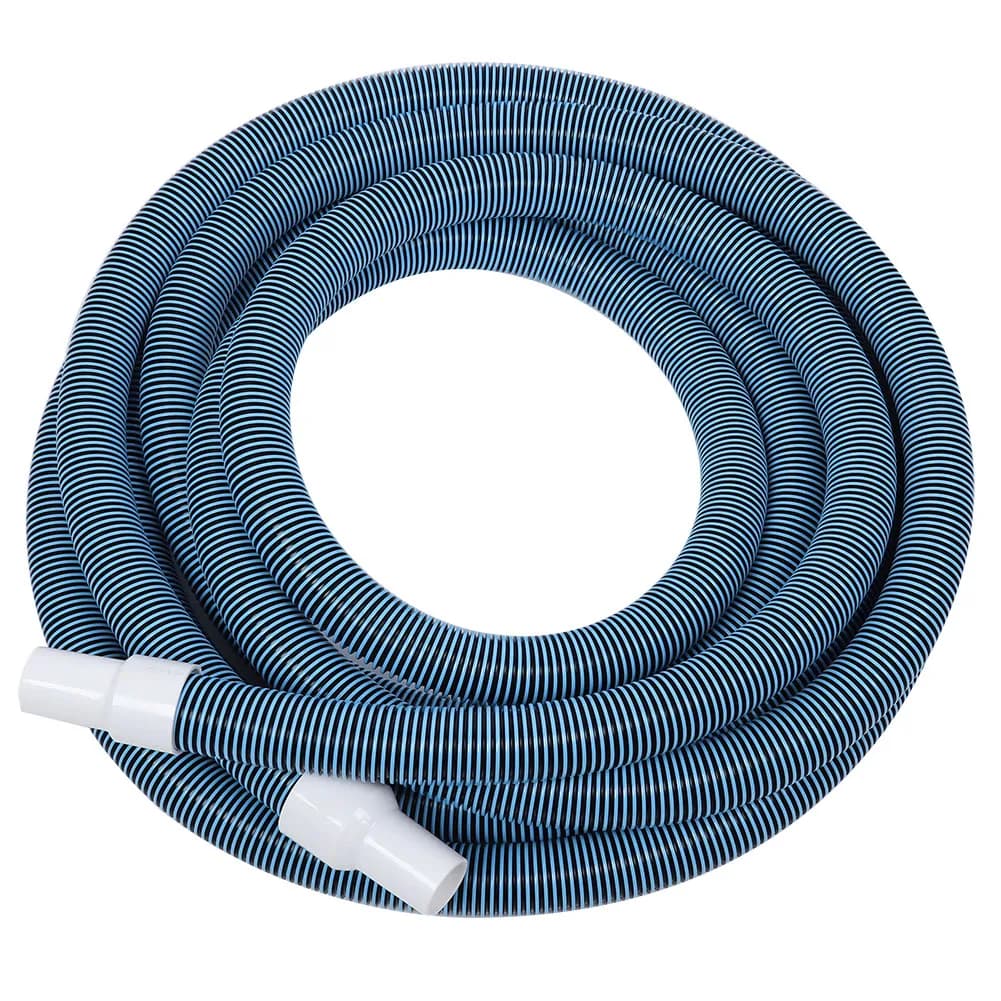
Maintaining a sparkling clean swimming pool is a top priority for many homeowners, yet one of the most critical components often goes overlooked: the pool pump filter connection hose. We collected the most-asked questions from forums and communities about this essential piece of equipment. These are the questions that keep coming up about pool pump filter connection hoses — let's settle them, once and for all, with expert insights.
Why Does My Pool Vacuum Lose Suction, Even with a Clean Filter?
Weak or inconsistent suction during pool vacuuming is a common frustration, and a clean filter isn't always the sole solution. Data suggests that up to 60% of suction issues can be traced back to the hose system itself, rather than the pump or filter. The primary culprits are often subtle but significant.
Common Causes of Suction Loss
- Air Leaks: Even a tiny crack or a loose connection point on your pool pump filter connection hose can draw in air, drastically reducing vacuum efficiency. According to research, a pinhole leak can decrease suction by as much as 25-30%.
- Kinks and Obstructions: A kinked hose restricts water flow, much like a pinched artery. Internal obstructions, such as accumulated debris (leaves, small toys), can also impede suction, often going unnoticed until performance drops significantly.
- Degradation: Over time, exposure to UV rays and pool chemicals can make hoses brittle, leading to micro-fissures or complete ruptures that compromise the sealed system.
What's the Difference Between Vacuum Hoses and Filter Pump Hoses?
While both types of hoses facilitate water movement, their design and intended purpose differ significantly due to varying pressure demands and flexibility requirements. Understanding these distinctions is crucial for optimal pool operation.
Vacuum Hoses
Vacuum hoses are designed for suction-side applications, meaning they pull water from the pool to the vacuum head and then to the skimmer or dedicated vacuum line. They are typically:
- More flexible to allow for easy maneuverability across the pool floor.
- Designed to withstand negative pressure (suction) without collapsing.
- Often ribbed externally for flexibility and internal smoothness for unimpeded flow.
Filter Pump Hoses (Connection Hoses)
These hoses connect various components of your filtration system, such as the pump to the filter, or the filter to the return jets. They operate under positive pressure (pushing water) and are generally:
- More rigid and robust to handle the higher pressure exerted by the pump.
- Less flexible, as they are meant for stationary connections.
- Typically smooth internally and externally to minimize friction loss and provide secure clamping surfaces.
A good pool pump filter connection hose needs to balance flexibility for routing with the rigidity to maintain integrity under pressure and suction.
How Do I Choose the Right Diameter and Length for My Pool Hose?
Selecting the correct hose dimensions is not a 'one size fits all' scenario; it directly impacts your pump's efficiency and overall system performance. Incorrect sizing can lead to reduced flow, increased energy consumption, and premature equipment wear.
Understanding Diameter and Flow Rates
Standard pool hoses typically come in 1.25 inches, 1.5 inches, or 2 inches in diameter. The general rule is: larger diameter hoses allow for greater water flow with less resistance (head loss). Many residential pools benefit from 1.5-inch hoses, offering a good balance between flow capacity and compatibility with common pump fittings. For instance, upgrading from a 1.25-inch to a 1.5-inch hose can reduce friction loss by nearly 40% over the same length, leading to more efficient water circulation.
Determining Optimal Length
The hose should be long enough to reach all areas of your pool comfortably, plus an additional 3-4 feet to allow for easy movement without stretching. However, excessively long hoses increase friction loss, forcing your pump to work harder. Measure the longest distance from your skimmer to the farthest point you need to clean, then add the buffer. For connection hoses, measure the exact distance between components, allowing for gentle curves.
What Materials Make for the Most Durable Pool Hoses?
The longevity and performance of your pool pump filter connection hose are heavily dependent on its construction material. Inferior materials can quickly degrade, leading to leaks, cracks, and frequent replacements.
Superior Material Choices
- UV-Stabilized PVC: This is a common and excellent choice. The UV stabilization prevents the material from breaking down under prolonged sun exposure, resisting brittleness and cracking.
- EVA (Ethylene Vinyl Acetate): Known for its flexibility and resistance to chemicals, EVA hoses offer good durability and are less prone to kinking.
- Reinforced Polyethylene: Some high-quality hoses incorporate internal reinforcement, such as spiral wound designs, to prevent collapse under suction and increase burst strength under pressure.
A high-quality hose will feel robust yet flexible, with smooth internal walls to minimize friction and prevent algae buildup. Look for hoses designed to resist chlorine and other pool chemicals, which can cause premature aging in standard plastics.
How Often Should I Inspect or Replace My Pool Pump Filter Connection Hose?
Regular inspection of your pool pump filter connection hose is a non-negotiable aspect of pool maintenance. Proactive checks can prevent minor issues from escalating into major problems that disrupt your pool's clarity and filtration.
Inspection Schedule and Signs of Wear
It's advisable to perform a thorough inspection of all your pool hoses at least once per season, preferably at the beginning. During weekly vacuuming, quickly check for visible signs of damage. Key indicators for replacement include:
- Visible cracks, splits, or punctures along the hose body.
- Brittleness or hardening of the material, especially in areas exposed to sunlight.
- Discoloration or fading, indicating UV degradation.
- Persistent leaks at connection points, even after tightening clamps.
- Reduced flexibility or a tendency for the hose to kink easily.
While a well-maintained, high-quality hose can last 3-5 years, environmental factors and usage frequency can shorten this lifespan. Many users report that replacing hoses every 2-3 years, especially those under constant sun exposure, helps maintain peak system performance.
So What Should I Actually Buy to Ensure Efficient Pool Cleaning?
To ensure optimal pool cleaning and filtration, your choice of pool pump filter connection hose should align with specific criteria: durability, correct sizing, and resistance to environmental factors. A hose that combines these features will significantly enhance your pool maintenance routine.
You need a hose that offers robust construction, ensuring it won't collapse under suction or degrade rapidly from UV exposure and chemicals. The ideal hose should have a diameter that maximizes flow efficiency for typical residential pool pumps, commonly 1.5 inches, to minimize head loss and maximize suction power for vacuuming or filtering.
It must also provide secure, leak-proof connections to your existing equipment, whether it's a pump, filter, or vacuum head. A product that meets these criteria, designed for both suction and connection tasks, simplifies your setup. For instance, a 1.5inch Swimming Pool Pump Filter Connection Hose Suction Vacuum Head Cleaner Hose Cleaning Tool offers the versatility and robust design needed for comprehensive pool maintenance. Its standard 1.5-inch diameter ensures compatibility with most residential pool systems, facilitating efficient water transfer and suction for cleaning.
Summary Checklist: Your Pool Hose Essentials
Keeping your pool pristine is simpler with the right hose. Here’s a quick recap of what truly matters:
| Aspect | Key Takeaway | Why It Matters |
|---|---|---|
| Hose Integrity | No kinks, leaks, or obstructions. | Crucial for maintaining maximum suction and flow. |
| Correct Diameter | Match 1.5-inch for most residential setups. | Optimizes water flow, reduces pump strain. |
| Durable Material | UV-stabilized PVC, EVA, or reinforced polyethylene. | Resists sun, chemicals, and premature aging. |
| Regular Inspection | Annually, with quick checks during use. | Prevents small issues from becoming major problems. |
Product Example: A Solution for Efficient Pool Cleaning
When searching for a reliable pool pump filter connection hose that can handle the rigors of both filtration and vacuuming, a versatile and durable option is essential. The 1.5inch Swimming Pool Pump Filter Connection Hose Suction Vacuum Head Cleaner Hose Cleaning Tool is engineered to fulfill these demands.
This hose is designed with a standard 1.5-inch diameter, making it compatible with a wide array of pool pumps, filters, and vacuum heads, which is critical for maintaining optimal flow rates and suction efficiency. Its construction focuses on durability, resisting the common issues of kinking and degradation from UV exposure and pool chemicals. This ensures a consistent, powerful vacuuming experience and reliable water transfer for your filtration system. See details and current price →
Final Prep List: Your Action Plan for a Cleaner Pool
Equipped with this expert knowledge, you're ready to optimize your pool's cleaning system. Here’s a practical checklist to ensure your pool pump filter connection hose is performing its best:
- Inspect Your Current Hose: Carefully examine your existing hoses for any signs of cracks, brittleness, kinks, or loose connections. Pay close attention to areas exposed to direct sunlight.
- Verify Diameter: Confirm that your current hose diameter (and any potential replacement) matches your pump and skimmer connections for optimal flow. Most residential setups use 1.5 inches.
- Measure Required Length: Ensure your vacuum hose is long enough to reach all pool areas without excessive slack. For connection hoses, measure precisely between components.
- Consider Material Quality: Prioritize hoses made from UV-stabilized and chemical-resistant materials like reinforced PVC or EVA for maximum durability and lifespan.
- Schedule Replacement: If your hose shows significant wear or is several years old, plan for a replacement to avoid sudden suction loss or leaks during peak season.
Closing Thoughts: Keep Your Pool Pristine
A high-quality pool pump filter connection hose is far more than just a pipe; it's a vital artery of your pool's circulatory system. By understanding its importance and making informed choices, you can dramatically improve your pool cleaning efficiency and the overall health of your swimming environment. Don't let a faulty hose sabotage your efforts for crystal-clear water.
Do you have more questions about pool hoses or other cleaning challenges? We invite you to share them in the comments below!