The Frustration of Fading Flavor and Stale Snacks
Ever reached for your favorite coffee beans, only to find their rich aroma muted? Or perhaps you’ve opened a bag of what should be crisp crackers, met instead with a disappointing chewiness? This common frustration affects millions, turning delicious provisions into bland disappointments long before their expiry date. Many users report that carefully selected ingredients or cherished snacks rapidly lose their appeal, leading to wasted food and a sense of culinary defeat.
It’s a cycle of anticipation followed by letdown, impacting everything from your morning brew to those crucial baking components. You buy premium products, store them diligently, yet their vibrant quality diminishes far too quickly. This isn't just about taste; it's about the nutrient integrity and the sheer enjoyment of your food.
The Scientific Roots of Food's Freshness Fading
The swift decline in food freshness isn't a mystery; it's a direct consequence of several well-understood scientific principles, primarily centered around air exposure and its accompanying elements.
1. Oxidation: The Silent Flavor Thief
According to research from food science institutes, oxygen is a primary culprit. When foods like coffee, nuts, oils, or spices are exposed to air, the oxygen molecules react with their fats and other compounds. This process, known as oxidation, leads to rancidity in fats and oils, dramatically altering their flavor profile and creating unpleasant off-notes. For coffee beans, oxidation breaks down the volatile aromatic compounds that give coffee its distinctive smell and taste, leaving it flat and stale.
2. Moisture Migration: The Enemy of Texture
Humidity in the air plays a significant role in food degradation. Dry goods, such as crackers, cereals, and biscuits, are highly hygroscopic, meaning they readily absorb moisture from their surroundings. This absorption causes them to lose their crisp texture and become soggy. Conversely, moist foods, like bread or some fruits, can lose their internal moisture to dry air, leading to staleness or accelerated drying out.
3. Aroma Volatilization and Microbial Introduction
The delicate aromas and flavors we cherish in foods are often due to volatile organic compounds. Exposure to air allows these compounds to evaporate, diminishing the food's sensory appeal. Furthermore, air is a carrier for airborne microorganisms like bacteria, yeasts, and molds. While proper packaging limits direct contact, repeated exposure during storage and retrieval can introduce these microbes, accelerating spoilage and reducing shelf life.
The Most Effective Approaches to Prolonged Food Freshness
Addressing these root causes requires a strategic approach to food storage that minimizes air, light, and moisture exposure. General solutions include refrigeration, freezing, and using various types of containers. However, for dry goods and items sensitive to oxidation, the most effective approach consistently involves creating a robust barrier against the atmosphere.
This often means going beyond simple 'airtight' seals. While an airtight container prevents macro-level air exchange, the residual air inside can still cause oxidation. The most impactful solution involves actively removing this air, creating a vacuum or near-vacuum environment. This dramatically slows down oxidative processes and moisture migration, preserving both flavor and texture for extended periods.
Evaluating Your Storage Solutions: A Selection Checklist
Choosing the right storage solution can be daunting, but a clear set of criteria helps pinpoint truly effective options. Consider these factors when evaluating potential containers to keep your food fresh in 2026:
| Criteria | Why It Matters | Ideal Characteristics |
|---|---|---|
| Material Quality | Prevents chemical leaching and preserves food integrity. | Food-grade glass or high-quality, BPA-free plastic. |
| Seal Mechanism | Determines effectiveness against air and moisture. | Vacuum-seal, robust silicone gasket, clamp-lock. |
| Transparency | Allows visibility, but consider light sensitivity. | Clear (for easy identification) or opaque (for light-sensitive items). |
| Durability | Ensures longevity and resistance to breakage or wear. | Thick glass, impact-resistant plastic. |
| Ease of Cleaning | Promotes hygiene and convenient reuse. | Wide openings, dishwasher-safe components. |
Prioritizing containers that excel in these areas will significantly enhance your food preservation efforts, ensuring your pantry staples remain fresh and flavorful.
A Product Meeting Essential Freshness Criteria
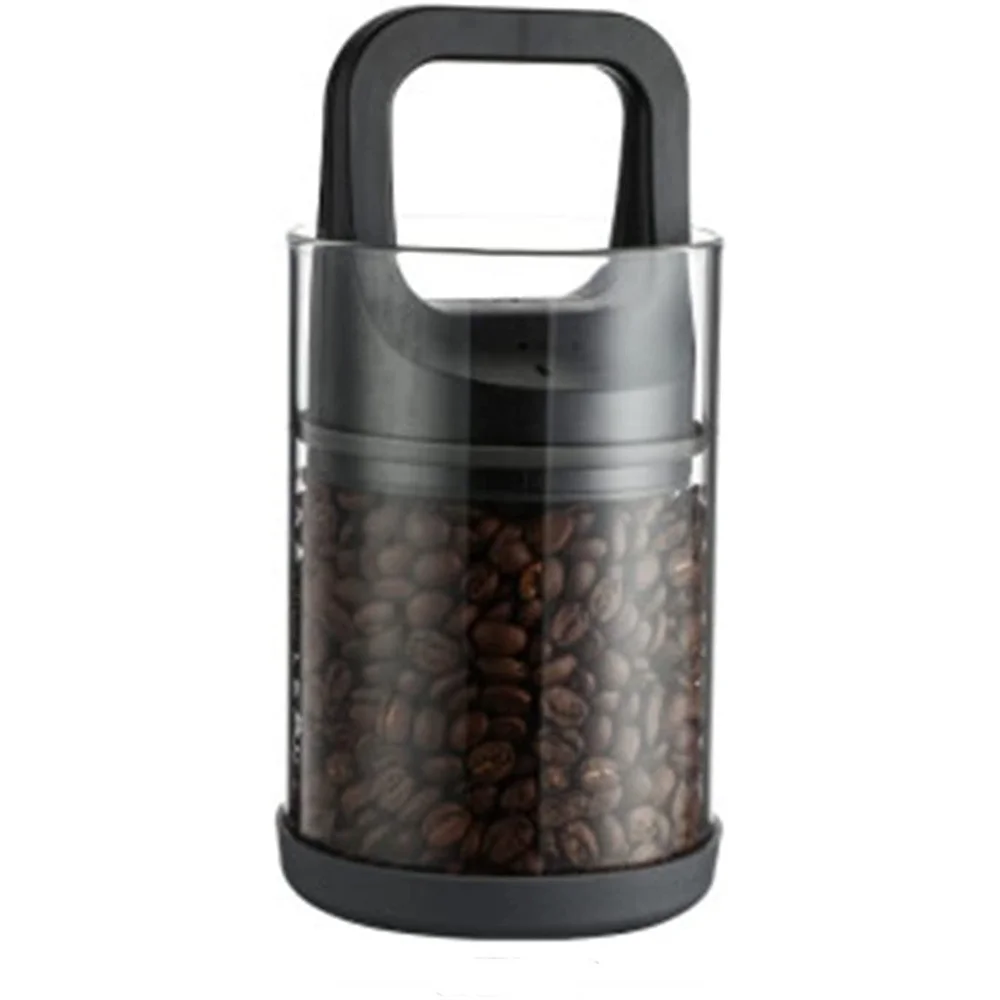
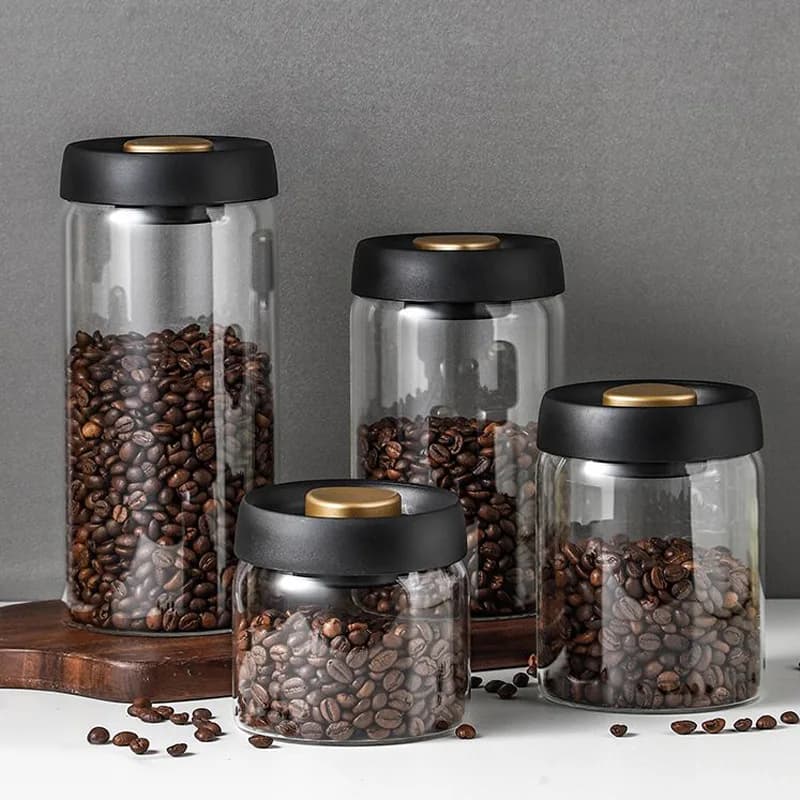
When considering solutions that truly lock in food freshness, a product that meets these criteria often incorporates advanced sealing technology and inert materials. For example, a clear glass storage jar featuring a press-vacuum mechanism addresses several key concerns. Its glass construction ensures no chemical leaching, preserving the pure taste of contents like tea, coffee beans, or spices. The innovative press-vacuum seal actively expels air, creating a low-oxygen environment that dramatically slows oxidation and prevents moisture exchange, a critical factor for maintaining the crispness of snacks or the robust flavor of coffee.
Many users report that such a design extends the shelf life of dry goods by weeks or even months compared to standard containers. The transparency of glass allows for easy content identification, while its non-porous surface makes cleaning simple and prevents odor absorption. This type of container is designed to be a practical tool for anyone serious about preserving the quality of their groceries. See details and current price →
Bonus Tips: Extend Food Freshness Without Extra Purchases
Beyond specialized containers, several simple habits can dramatically improve food freshness and reduce waste:
- Optimize Your Pantry Environment: Store dry goods in a cool, dark place away from direct sunlight and heat sources. Heat accelerates oxidation and moisture changes. Data suggests that every 10°F increase can halve the shelf life of certain items.
- Buy in Smaller, Smarter Batches: While bulk buying seems economical, it's counterproductive if food spoils before you can consume it. Purchase quantities that you can realistically use within a shorter timeframe. This minimizes the duration of air exposure in opened packages.
- Rotate Your Stock (FIFO): Implement a 'First In, First Out' system. Place newly purchased items behind older ones. This simple organizational strategy ensures you're always consuming the oldest food first, preventing items from languishing at the back of the cupboard until they're past their prime.
These practices, combined with intelligent storage solutions, form a comprehensive strategy for maximizing food freshness and minimizing waste in your home.
Take Control of Your Kitchen's Freshness
Understanding why your food loses its vibrancy is the first step towards a more efficient and enjoyable kitchen. By addressing the root causes of oxidation and moisture issues, and by selecting storage methods that actively combat these factors, you can dramatically extend the life and quality of your pantry staples. No more disappointing stale snacks or flavorless coffee.
We invite you to share your own experiences. What are your biggest frustrations with food freshness, and what solutions have you found most effective in your home? Join the conversation below.