Unmasking the True Barriers to Muscle Strength
Ever spent months dedicated to physical therapy, gym routines, or rehabilitation exercises, only to find your progress stagnating? Many individuals experience persistent muscle weakness, plateaus in strength gains, or the frustrating recurrence of old injuries. This isn't just about 'not trying hard enough'; often, the root of the problem lies in an overlooked aspect of muscle function and assessment.
It can feel disheartening when consistent effort doesn't translate into desired strength and resilience. Understanding why this happens is the first step toward effective and lasting recovery.
The Limitations of Subjective Assessment
A primary reason for slow muscle recovery and persistent weakness stems from inadequate assessment. Traditional methods, such as manual muscle testing or simple weight-lifting metrics, provide only a snapshot of maximal voluntary contraction. They often fail to capture dynamic muscle performance, endurance, or the precise force output across an entire range of motion. Data suggests that these methods can miss subtle but significant muscle imbalances that impede progress and predispose individuals to injury.
Generalized Training vs. Specific Needs
Another critical factor is the prevalence of generalized training protocols. Even with professional guidance, many rehabilitation and strength programs are designed with a 'one-size-fits-all' mentality. Muscles don't simply get 'stronger'; they adapt to specific demands at specific speeds and angles. Without precise data on individual deficits in muscle strength and power, training becomes less efficient. This non-specific approach can strengthen already dominant muscles, exacerbating existing imbalances rather than correcting them.
Overlooking Isokinetic Muscle Function
The ability of a muscle to generate maximum force at a constant speed, known as isokinetic strength, is a crucial determinant of functional performance and injury prevention. Unlike isotonic exercises (fixed resistance, variable speed) or isometric exercises (fixed position, no movement), isokinetic testing and training provide a comprehensive evaluation of muscle capacity throughout the full range of motion. Research published in journals like the Journal of Orthopaedic & Sports Physical Therapy highlights the importance of isokinetic data in identifying deficits that other methods miss, preventing full recovery and optimal athletic performance.
Charting a Course for Effective Muscle Recovery
Overcoming these challenges requires a shift from generalized approaches to precise, data-driven interventions. The goal is not merely to increase muscle size, but to restore balanced, functional strength and power across all relevant movement patterns.
Beyond Conventional Approaches
General solutions involve diligently following prescribed exercises, focusing on proper form, and gradually increasing load. While these are foundational, the most effective approach integrates advanced diagnostic capabilities with highly customizable training. This means moving towards systems that can objectively measure muscle performance, pinpoint specific weaknesses, and then provide tailored resistance and feedback for targeted improvement.
The Power of Precision Training
The most impactful solution involves systems capable of evaluating muscle strength, power, and endurance across various speeds and joint angles. This allows for the creation of individualized training programs that directly address identified deficits. By providing real-time feedback, these systems enable users to optimize every repetition, ensuring effective muscle engagement and progressive overload. This targeted precision significantly accelerates recovery, minimizes re-injury risk, and unlocks true muscle potential.
Evaluating Advanced Muscle Performance Systems: A Checklist
When considering tools or systems to enhance muscle strength and recovery, it's crucial to look beyond surface-level features. A truly effective solution will offer robust capabilities that address the root causes of stalled progress.
| Criterion | Description | Benefit for Recovery |
|---|---|---|
| Objective Data Measurement | Measures force, torque, speed, and range of motion with high precision. | Pinpoints exact muscle deficits and tracks quantifiable progress. |
| Customizable Resistance Profiles | Allows adjustment of resistance based on individual muscle capacity and specific rehabilitation goals. | Prevents over-stressing weak muscles while challenging stronger ones optimally. |
| Real-time Biofeedback | Provides immediate visual or auditory feedback on performance during exercises. | Enhances motor learning, ensures correct technique, and maximizes effort. |
| Multi-joint & Multi-directional Capability | Supports assessment and training across various joints and planes of motion. | Addresses functional movement patterns, not just isolated muscles. |
| Comprehensive Data Tracking | Records and analyzes performance over time, generating progress reports. | Informs program adjustments, demonstrates efficacy, and motivates users. |
Prioritizing these features ensures that any investment in a muscle strength solution delivers tangible, measurable results for long-term health and performance.
Unlocking Your Full Muscle Potential: A Data-Driven Approach
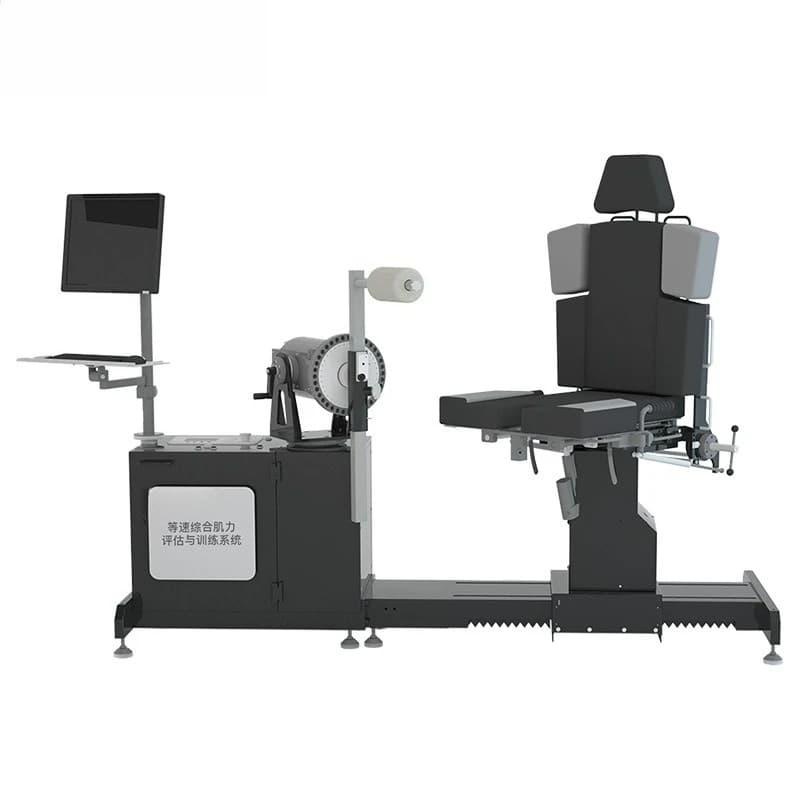
For those serious about overcoming chronic weakness, accelerating rehabilitation, or optimizing athletic performance, a system that integrates these advanced capabilities is invaluable. A product that meets these stringent criteria for precise evaluation and customized training is the Customizable Isokinetic Comprehensive Muscle Strength Evaluation and Training System.
This system utilizes advanced sensor technology to provide objective, quantifiable data on muscle force, torque, power, and range of motion. It allows therapists and trainers to identify even subtle imbalances and weaknesses that traditional methods often miss. Based on this detailed assessment, highly individualized training protocols can be developed, ensuring that every session is precisely tailored to the user's specific needs and recovery stage. Many users report that the real-time feedback and customizable resistance options significantly improve their engagement and the effectiveness of their muscle strength training.
By providing a comprehensive overview of muscle function and offering adaptive resistance throughout the full range of motion, this system can help individuals move beyond typical plateaus. It facilitates targeted strengthening, improves neuromuscular control, and supports a faster, more complete return to function. For detailed information and current pricing, you can See details and current price →.
Enhancing Muscle Strength Without High-Tech Systems
While advanced systems offer unparalleled precision, several foundational practices can significantly contribute to improved muscle strength and recovery, regardless of your equipment.
- Master Mind-Muscle Connection: Consciously focus on the muscle being worked during an exercise. Data suggests that actively thinking about contracting a specific muscle group can increase its activation and lead to better results. This improves neuromuscular efficiency and helps recruit more muscle fibers.
- Incorporate Unilateral Training: Exercises performed on one limb at a time (e.g., single-leg squats, dumbbell rows) can expose and correct muscle imbalances. This type of training challenges stability and coordination, leading to more balanced strength development across your body.
- Prioritize Recovery and Nutrition: Muscle growth and repair happen during rest, not during the workout. Ensure adequate sleep (7-9 hours) and consume a diet rich in lean protein, complex carbohydrates, and healthy fats. Proper hydration is also crucial for muscle function and nutrient transport.
Take Control of Your Strength Journey
Stalled muscle recovery and persistent weakness are not inevitable. By understanding the root causes and embracing a more precise, data-driven approach to assessment and training, you can unlock your body's full potential. Whether through advanced systems or fundamental practices, the path to stronger, more resilient muscles is within reach.
Have you faced challenges in your muscle strength journey? Share your experiences and what strategies have helped you achieve breakthrough results in the comments below!