The Frustration of Failing Fitness Gloves
Many fitness enthusiasts invest in workout gloves only to find them fraying, tearing, or offering inadequate protection within weeks. The market is saturated with options that promise durability and comfort but often fall short of critical demands. Data suggests that a significant percentage of buyers regret their hand protection purchases within the first few months, encountering issues from painful blisters to compromised grip.
Imagine hitting a new personal best, only to have a seam split, or your grip slip during a heavy lift. These common disappointments highlight a crucial gap in how consumers evaluate fitness accessories. Without a clear set of verification criteria, it’s easy to fall prey to marketing claims that don't translate to real-world performance.
Common Reasons Your Workout Gloves Disappoint
Understanding why workout gloves fail is the first step toward making a smarter purchase. Several recurring patterns emerge from consumer feedback and product analysis:
- Inadequate Material Strength: Many gloves utilize thin, low-density fabrics or synthetic leather that quickly abrades under friction and sweat, leading to rips and holes, particularly in the palm and finger areas.
- Poor Stitching and Construction: Weak or single-stitched seams are a primary point of failure. High-stress areas, like between fingers and around wrist closures, require reinforced, double-stitched designs to withstand rigorous use.
- Insufficient Padding or Gel Inserts: Gloves without strategically placed, dense padding fail to absorb pressure effectively, resulting in calluses, blisters, and discomfort, negating the very purpose of wearing them.
- Lack of Breathability: Non-ventilated materials trap sweat, creating a breeding ground for bacteria and causing an uncomfortable, slippery grip. This also accelerates material degradation.
- Incorrect Sizing and Fit: A glove that is too loose will bunch and reduce grip effectiveness, while one that is too tight restricts circulation and movement, leading to discomfort and premature wear.
Each of these issues can undermine your training, leading to frustration and the need for frequent replacements. Avoiding these pitfalls requires a more informed approach to selection.
The Essential 7-Point Fitness Glove Verification Checklist
To cut through the noise and identify genuinely reliable hand protection, a structured verification process is essential. This checklist focuses on concrete specifications and design elements that dictate performance and longevity:
| Verification Criteria | Specific Requirement |
|---|---|
| Palm Material Durability | Microfiber or synthetic leather blend (min. 0.8mm thickness) with reinforced stitching. |
| Grip Enhancement | Full palm silicone or rubberized print for anti-slip performance. |
| Padding & Protection | Minimum 3mm gel or foam padding in key pressure zones (base of fingers, heel of palm). |
| Ventilation & Breathability | Mesh fabric or perforated panels on the back of the hand and between fingers. |
| Wrist Support/Closure | Adjustable hook-and-loop strap (min. 4cm wide) for secure fit and wrist stability. |
| Finger Design | Half-finger length for dexterity, with pull tabs for easy removal. |
| Seam Reinforcement | Double-stitched seams in all high-stress areas (palm, finger joints, wrist). |
Applying the Checklist: A Real-World Example
Let's apply this rigorous checklist to a product context. While many options flood the market, a discerning eye for specifications helps separate the durable from the disposable. Here’s how a well-designed product compares against our criteria:
| Verification Criteria | Required Spec | Product Spec (Example) | Pass/Fail |
|---|---|---|---|
| Palm Material Durability | Microfiber or synthetic leather blend (min. 0.8mm thickness). | High-density microfiber (approx. 0.9mm) with PU leather accents. | Pass |
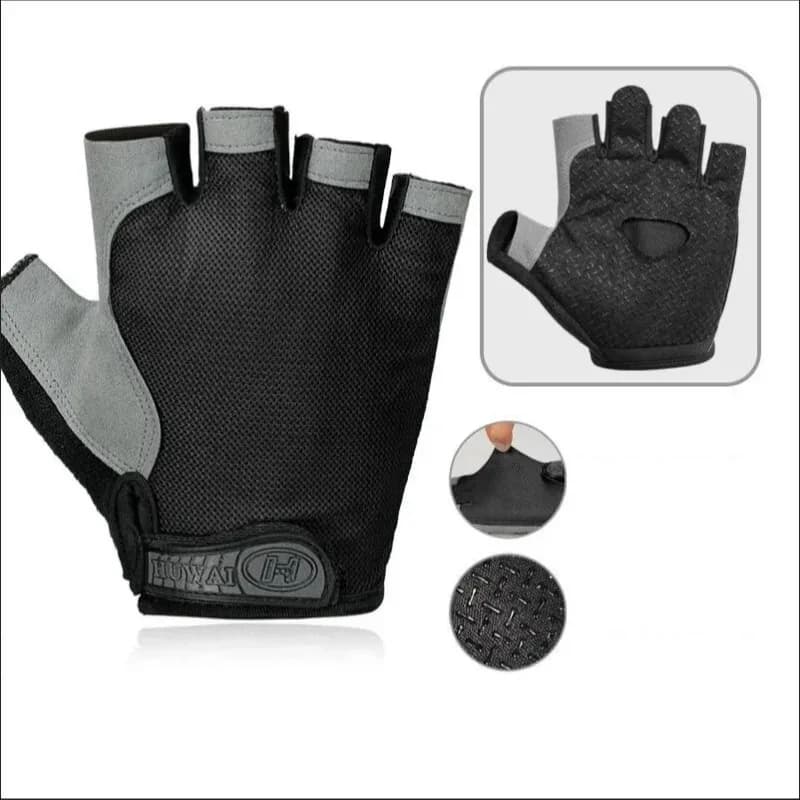
| Grip Enhancement | Full palm silicone or rubberized print. | Hexagonal silicone non-slip pattern across entire palm. | Pass |
| Padding & Protection | Min 3mm gel or foam padding in key pressure zones. | 3mm SBR padding in palm and thumb base. | Pass |
| Ventilation & Breathability | Mesh fabric or perforated panels on back of hand. | Stretch Lycra and mesh fabric on back for airflow. | Pass |
| Wrist Support/Closure | Adjustable hook-and-loop strap (min. 4cm wide). | 5cm wide adjustable hook-and-loop wrist strap. | Pass |
| Finger Design | Half-finger length with pull tabs. | Half-finger design with two integrated pull tabs. | Pass |
| Seam Reinforcement | Double-stitched seams in all high-stress areas. | Reinforced double stitching throughout palm and finger edges. | Pass |
A Product That Meets the Demands
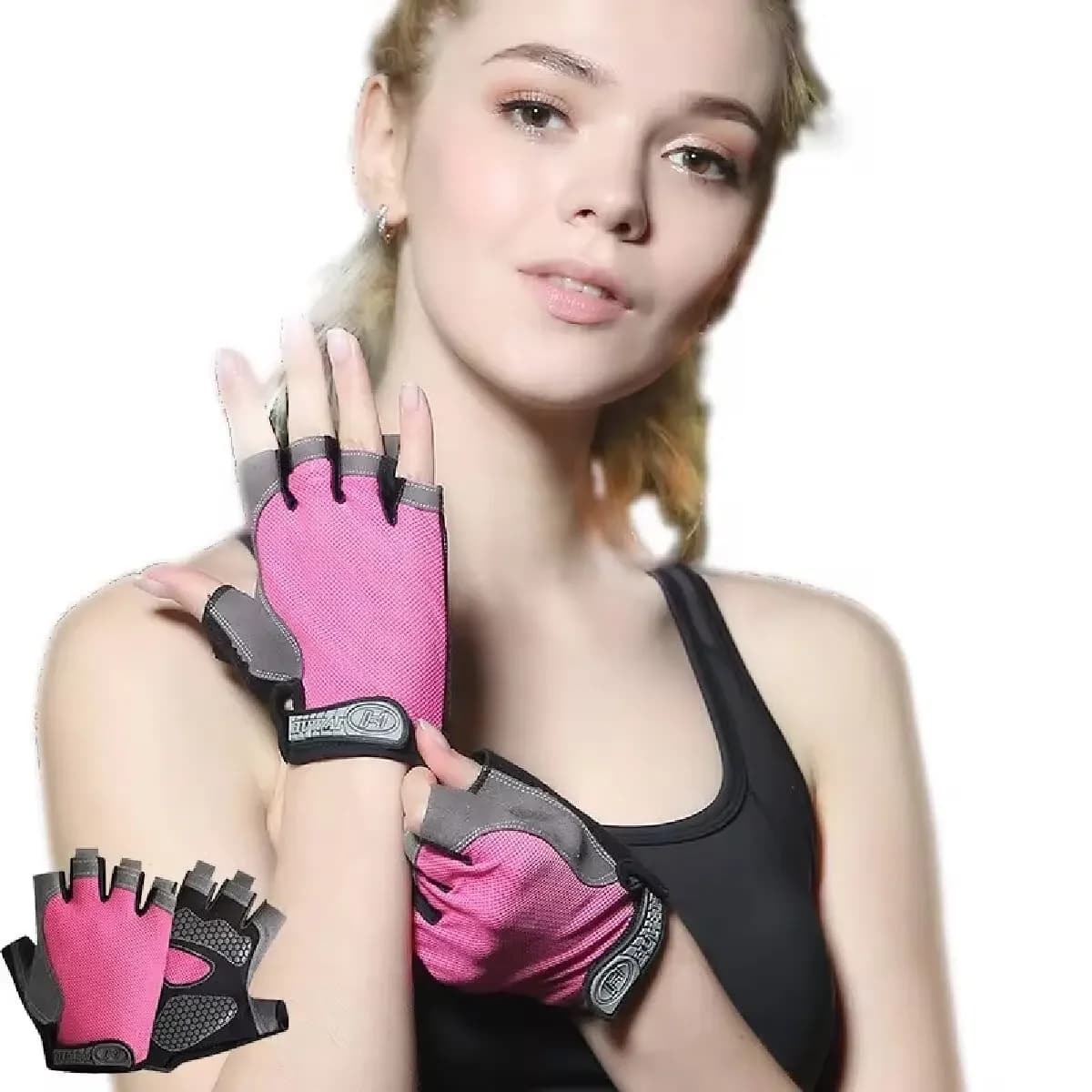
Finding workout gloves that genuinely deliver on their promises requires diligence. Based on a thorough application of the criteria above, a product like the Professional Gym Fitness Breathable Anti-Slip Half Finger Gloves stands out as one that passed the checklist.
This particular model demonstrates robust design choices, integrating features crucial for both protection and longevity. The combination of its microfiber palm with silicone grip, strategic SBR padding, and breathable Lycra back, ensures it addresses the common failure points identified earlier. Its reinforced double stitching throughout the palm and finger edges directly tackles the issue of premature seam failure, while the 3mm SBR padding provides essential pressure absorption.
For individuals seeking reliable hand protection for gym workouts, cycling, or other demanding activities, evaluating options against a stringent checklist is paramount. This specific glove offers a compelling balance of features designed to enhance performance and minimize common discomforts, ensuring your focus remains on your training, not on failing gear. You can See details and current price → for a closer look at a product designed to meet these rigorous standards.
Maximizing the Lifespan of Your Fitness Gloves
Simple Steps for Extended Durability
Even the most meticulously chosen workout gloves benefit from proper care. Implementing these simple maintenance tips can significantly extend their lifespan and maintain their performance:
- Regular Cleaning: Hand wash gloves in cold water with mild soap after every few uses. Avoid harsh detergents or bleach, which can degrade materials and stitching. Gently squeeze out excess water and allow them to air dry completely.
- Proper Drying: Never put gloves in a tumble dryer, as high heat can shrink or damage the synthetic fabrics and padding. Hang them in a well-ventilated area away from direct sunlight and heat sources to preserve material integrity.
- Avoid Over-Compression: When storing, avoid stuffing gloves into tight spaces where padding can be permanently compressed. Lay them flat or hang them to maintain their shape and the effectiveness of their protective inserts.
- Rotate Pairs: If possible, rotate between two pairs of workout gloves. This allows each pair to fully dry out, air properly, and recover its shape between uses, significantly extending the lifespan of both by reducing constant wear on a single pair.
Your Hand Protection Matters
Choosing the right fitness gloves is more than a matter of preference; it's about protecting your hands, enhancing your performance, and preventing frustrating equipment failures. By applying a structured verification checklist, consumers can confidently navigate the crowded market, ensuring their investment contributes positively to their fitness journey.
We invite our readers to share their experiences. Have you found a pair of workout gloves that stood the test of time using criteria similar to ours? Or perhaps encountered a common failure pattern you wish you'd known how to avoid? Share your success or struggle stories in the comments below to help others make informed decisions in their pursuit of effective hand protection.