The Frustration of Static Automation in a Dynamic World
Ever felt your smart home devices promise unparalleled convenience but then stumble at the first sign of a non-routine task? You're not alone. Many homeowners experience the frustration of systems that excel at simple, pre-programmed commands, like turning off lights at sunset or playing music on demand, yet completely fail when confronted with anything requiring true adaptability or nuanced interaction. From tidying up an unexpectedly cluttered living room to assisting with intricate daily chores, the gap between automated promise and real-world utility can be vast and deeply unsatisfying.
This isn't merely an inconvenience; it represents a significant barrier to achieving a truly integrated and helpful smart living environment. The promise of intelligent automation often falls short precisely when true intelligence is most needed.
The Hidden Hurdles of Home Automation
Why do these advanced-sounding systems struggle with tasks that seem straightforward to a human? The root causes lie in fundamental limitations of their design and underlying technology. Understanding these will illuminate why a new approach to adaptive assistance is essential.
Why Basic Automation Falls Short: Rigidity vs. Reality
Most consumer-grade smart devices operate on rigid, rule-based programming. They are designed for specific, predictable scenarios. If X happens, then Y occurs. This works perfectly for static environments, but the real world is inherently dynamic and unpredictable. A misplaced object, a sudden change in lighting, or an unexpected visitor can completely derail a pre-programmed routine. According to cognitive science, human intelligence excels at navigating novelty and ambiguity, areas where current conventional automation systems typically falter due to their lack of contextual understanding and flexible response mechanisms.
The Limits of Static Sensing: Blind Spots in Your Smart Space
Another major limitation is the constrained sensory input of most smart devices. Many rely on basic sensors like passive infrared (PIR) for motion, simple cameras for general vision, or light sensors. While effective for their intended purposes, these offer a limited, often two-dimensional view of a three-dimensional, constantly changing environment. They lack the sophisticated spatial awareness and object recognition capabilities necessary for complex tasks. For instance, a robot vacuum might avoid a large obstacle, but it won't recognize a delicate item or understand the difference between a toy and a piece of trash that needs to be picked up, leading to frustration and potential damage. Advanced systems require a comprehensive understanding of their surroundings, far beyond simple obstacle detection.
Beyond Pre-Programmed Routines: The Need for True Intelligence
The core issue boils down to a lack of genuine real-time decision-making and learning. Traditional automation executes instructions; it doesn't solve problems. When an unexpected variable is introduced, these systems lack the capacity to adjust their strategy, learn from the new data, or infer a more appropriate course of action. Data suggests that true adaptive assistance requires algorithms that can process diverse inputs, understand context, and then generate novel, effective responses. This level of intelligence moves beyond mere automation and into the realm of assistive robotics, where systems can genuinely collaborate and adapt to human needs and environmental changes.
Navigating the Future: Towards Truly Adaptive Solutions
Overcoming these inherent limitations requires a fundamental shift in how we approach automated assistance. The goal isn't just more sophisticated sensors or faster processors, but a paradigm change in how systems perceive, interact with, and learn from their environment.
General Approaches to Enhanced Assistance
Initially, improving smart home capabilities involves better integration of disparate devices and more advanced programming through hub-based systems. Users can create more intricate routines using IF-THEN logic across multiple devices, allowing for slightly more complex scenarios. Investing in higher-quality sensors, such as those with broader fields of view or multi-modal input (e.g., combining vision with acoustic data), can also marginally improve a system's awareness. However, these are incremental improvements, still bound by the rigidities discussed earlier. They enhance automation but do not deliver true adaptive assistance.
The Paradigm Shift: Embracing Embodied AI
The most effective approach involves the development and deployment of embodied AI – intelligent systems that exist in the physical world, can interact with it, and learn from their experiences. These are typically advanced robotic platforms capable of perceiving their environment in high detail, understanding objects and spatial relationships, and executing complex physical manipulations. Unlike static smart devices, these systems are designed for general-purpose adaptability, offering a flexible presence that can perform a variety of tasks, from precision cleaning to fetching items, based on real-time commands and evolving needs. Such systems integrate advanced robotics with artificial intelligence to offer unparalleled practical utility.
Evaluating Advanced Robotic Assistance
For those seeking to move beyond the limitations of current smart home technology and embrace true adaptive assistance, a careful evaluation of potential solutions is critical. Not all advanced systems are created equal, and specific criteria must be met to ensure genuine utility and long-term value. This isn't about buying the most expensive gadget, but investing in a platform that genuinely solves complex, dynamic problems.
Key Considerations for Intelligent Systems
| Criterion | Description | Why It Matters for Adaptive Assistance |
|---|---|---|
| Physical Dexterity & Flexibility | Ability to perform intricate movements, grasp objects, and navigate varied terrains. | Crucial for handling diverse tasks beyond simple movement, enabling manipulation of objects in real-world environments. |
| Environmental Awareness (LiDAR/Vision) | High-resolution 3D mapping and object recognition capabilities. | Essential for safe, precise navigation, avoiding obstacles, and understanding the context of a dynamic space. |
| Real-time Processing & Adaptability | Onboard intelligence to make immediate decisions and adjust actions based on new data. | Allows the system to learn, respond to unforeseen circumstances, and execute tasks efficiently without constant human oversight. |
| Interoperability & SDK Support | Compatibility with other systems and developer tools for customization. | Ensures the system can integrate into existing smart ecosystems and be programmed for bespoke tasks, enhancing its long-term utility. |
| Safety Features | Advanced collision avoidance, emergency stops, and user interaction protocols. | Paramount for safe operation in a human-occupied environment, protecting both people and property. |
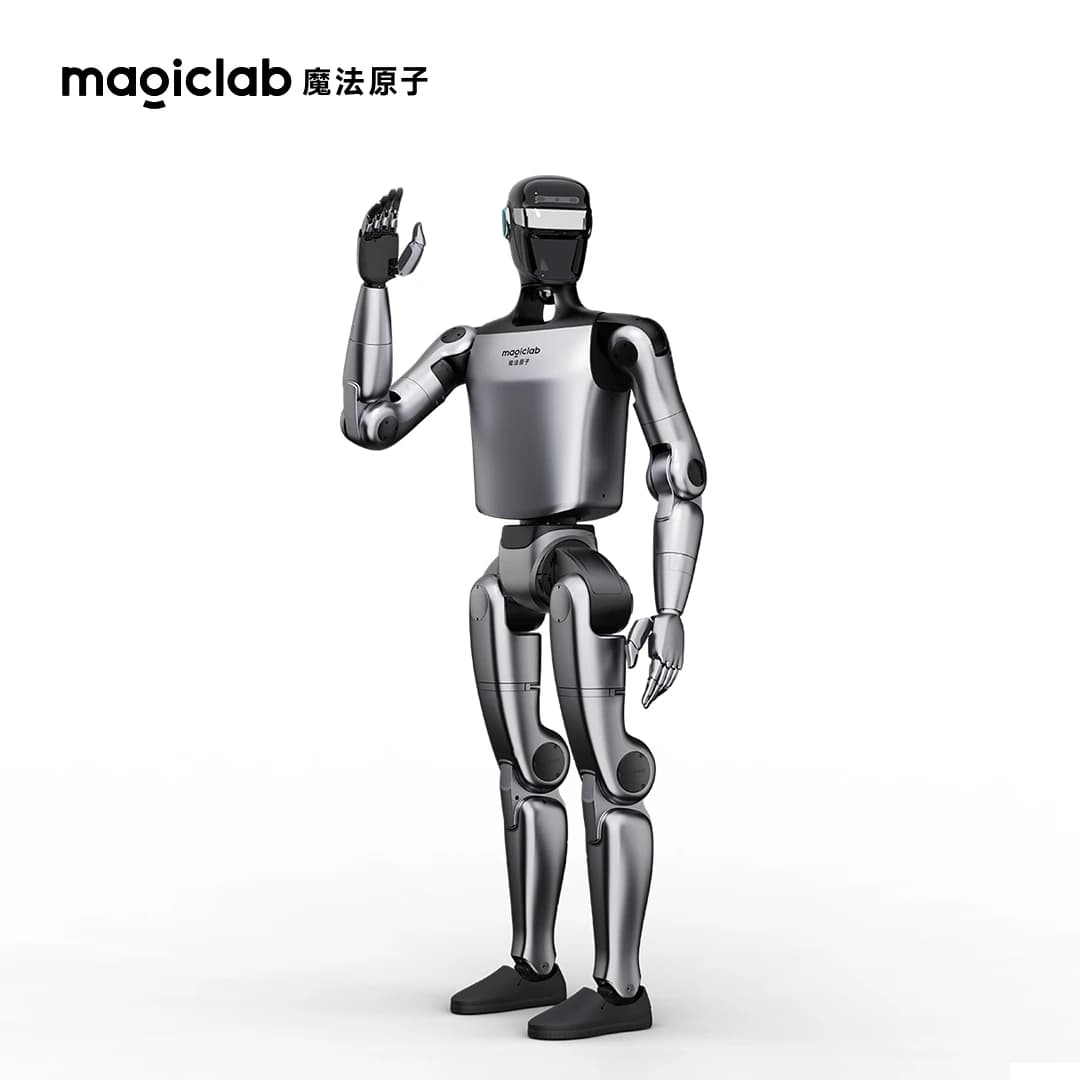
A product that meets these stringent criteria and represents a significant step forward in personalized, adaptive assistance is the MagicLab Z1 AI Humanoid Robot. This advanced platform is engineered with high flexibility, allowing for a wide range of dexterous movements, and features an alloy body built for durability and precision. Crucially, its integrated 360° LiDAR system provides comprehensive environmental awareness, enabling superior navigation and object interaction. Combined with real-time motion control and extensive SDK support, it offers a robust solution for complex, dynamic tasks within a sophisticated home or professional setting. Many users report that such systems redefine what's possible in automation, transforming frustration into genuine relief by handling the tasks that conventional devices simply cannot. Data suggests that investing in platforms with open SDKs significantly extends their lifespan and utility as new applications and capabilities can be developed over time, ensuring the system evolves with user needs. For more details and current pricing information, you can See details and current price →
Beyond the Hype: Practical Steps for Smarter Living
While cutting-edge technology offers transformative solutions, there are also immediate, actionable steps you can take to improve your daily experience, even without investing in advanced robotic systems.
Maximizing Your Current Setup
Before considering a major upgrade, optimize the smart devices you already own. Focus on creating highly specific, simple routines for repetitive, predictable tasks. For instance, rather than expecting a smart speaker to "clean the house," instruct it to "start the vacuum in the kitchen" or "turn off all lights downstairs." Break down complex desires into smaller, manageable, and automatable steps. This pragmatic approach leverages the strengths of existing technology.
Prioritizing Tasks for Automation
Not everything needs to be automated, especially if it requires high levels of precision, human judgment, or emotional intelligence. Identify the tasks that are truly tedious, repetitive, or time-consuming, and assess whether your current devices can reliably handle them. Delegate the truly complex or sensitive tasks to manual intervention or, if available, to advanced adaptive assistance systems designed for such challenges. A clear distinction prevents unnecessary frustration.
The Role of Open-Source Innovation
For tech-savvy individuals, exploring open-source home automation platforms like Home Assistant or OpenHAB can unlock greater customization and integration potential for existing devices. These platforms allow users to write custom scripts, integrate a wider range of sensors and actuators, and create more sophisticated conditional logic than commercial apps typically offer. While they require a learning curve, they provide a powerful way to enhance the intelligence and interoperability of your smart environment without purchasing new hardware, allowing for a more nuanced approach to managing complex home tasks.
Embrace a Future of True Assistance
The journey from basic automation to truly adaptive assistance is ongoing, but the tools and insights are now available to make significant strides. Understanding the limitations of current systems and recognizing the potential of embodied AI allows you to make informed decisions about how to best integrate technology into your life. Whether through optimizing existing setups or exploring advanced robotic platforms, the goal remains the same: to reduce daily friction and free up time for what truly matters.
How do you currently tackle the most complex and dynamic tasks in your daily life? Share your strategies and frustrations in the comments below – your insights help shape the future of smart living.