Does Darker Mean Better UV Protection? Separating Fact from Fiction
You've probably heard that the darker your sunglasses are, the better they protect your eyes from the sun. This is a common misconception, and understanding the science behind UV protection in eyewear is crucial for safeguarding your long-term eye health. Many people get it completely wrong, believing tint alone offers sufficient defense against harmful ultraviolet (UV) radiation.
Protecting your eyes from the sun's potent UV rays is not just about comfort; it's a vital aspect of preventive health. Chronic exposure to UV radiation can contribute to serious eye conditions, including cataracts and macular degeneration, according to leading ophthalmological research.
The Science Behind UV Protection in Eyewear
UV radiation is an invisible part of the sun's spectrum, categorized into UVA, UVB, and UVC rays. While UVC rays are largely absorbed by the Earth's atmosphere, both UVA and UVB rays reach the surface and can damage unprotected eyes.
UVA rays penetrate deep into the eye, potentially harming the retina. UVB rays primarily affect the cornea and lens, and are strongly linked to conditions like 'surfer's eye' (pterygium) and cataracts. Effective UV protection in sunglasses works by incorporating specific materials or coatings into the lens that absorb or reflect these harmful wavelengths before they reach your eyes.
It's not the darkness of the tint that provides this shield. Instead, a chemical additive in the lens material or a specialized coating acts as a filter. This filter is designed to block nearly 100% of UVA and UVB rays, typically up to 400 nanometers (nm), which is why you often see the 'UV400' label. This technological advancement ensures that even clear or lightly tinted lenses can offer superior UV protection compared to heavily tinted lenses without the proper filter.
UV Protection in Sunglasses: Unpacking Common Misconceptions
There are so many myths about UV protection that we decided to fact-check all of them. Understanding these distinctions is key to making informed choices for your eye health.
- Myth: Darker lenses offer more UV protection.
- Fact: The level of UV protection is determined by the lens material or coating, not by how dark the tint is. A light amber lens with UV400 protection is far superior to a dark grey lens without it. Research from organizations like the American Academy of Ophthalmology consistently emphasizes the importance of UV filtration over tint.
- Myth: All sunglasses provide adequate UV protection.
- Fact: Unfortunately, many inexpensive or fashion-focused sunglasses offer minimal or no UV protection. While they might reduce glare, they can actually be more harmful than wearing no sunglasses at all. Dark lenses without UV protection cause your pupils to dilate, allowing more harmful UV rays to enter your eyes.
- Myth: You only need UV protection on bright, sunny days.
- Fact: UV radiation is present year-round, regardless of cloud cover or season. Up to 80% of UV rays can penetrate clouds. Reflection from surfaces like water, snow, and even pavement can also significantly increase UV exposure, making UV protective eyewear essential in various conditions.
- Myth: UV protection is only necessary for outdoor activities.
- Fact: While outdoor activities dramatically increase exposure, UV rays can reflect off surfaces and enter your eyes even when you're not directly in the sun. Driving, for example, can expose you to significant UV radiation, especially through side windows.
- Myth: UV protection also blocks blue light.
- Fact: While some lenses offer blue light filtering, it's a separate technology from UV protection. Standard UV400 lenses block UV radiation but do not necessarily filter blue light, which is another spectrum of light that some studies suggest may contribute to eye strain or retinal damage over long periods.
| Feature | UV400 / 100% UV Protection | 'Cosmetic' or No UV Rating |
|---|---|---|
| UVB Blockage | 99-100% | Variable, often < 50% |
| UVA Blockage | 99-100% | Variable, often < 50% |
| Eye Safety | High, prevents UV damage | Low, can increase risk of damage |
| Tint Level | Independent of tint | Independent of UV block |
| Certification | CE, ANSI Z80.3, AS/NZS 1067 | Often none specified |
Choosing Your Eyewear: What to Look for in UV Protection
Selecting the right UV protective eyewear is critical. Here are the key factors to consider to ensure you're getting effective protection, not just a fashion accessory.
Check for UV400 or 100% UV Protection Label
This is the most crucial indicator. Look for labels that explicitly state 'UV400' or '100% UV protection against UVA and UVB.' Regulatory bodies like the American National Standards Institute (ANSI) and the European CE mark signify that the sunglasses meet specific safety and performance standards. Without this label, assume the sunglasses offer minimal or no effective UV protection.
Lens Material and Quality
Different lens materials offer varying benefits. Polycarbonate lenses are naturally UV-blocking and highly impact-resistant, making them a popular choice for active individuals. CR-39 plastic lenses are optically clear and lightweight, often requiring a UV-blocking coating. Glass lenses offer excellent optical clarity and scratch resistance but are heavier and can shatter. Always prioritize lenses that explicitly state their UV protection capabilities, regardless of the base material.
Frame Fit and Coverage
The extent to which sunglasses protect your eyes isn't solely about the lenses; it's also about how they fit. Larger lenses and wrap-around styles offer superior protection by blocking UV rays from entering the sides, top, and bottom of the frame. Studies indicate that significant UV exposure can still occur through peripheral gaps. A close-fitting frame minimizes these entry points, providing a more comprehensive shield for your eyes and surrounding delicate skin.
Polarization vs. UV Protection
It's important to differentiate between polarization and UV protection. Polarization is a separate lens technology designed to reduce glare from reflective surfaces like water, snow, or roads. While highly beneficial for visual comfort and clarity, especially for driving or watersports, it does not inherently offer UV protection. Many polarized lenses do also incorporate UV protection, but the two features are distinct and should be verified separately.
A Product Meeting Robust Protection Standards
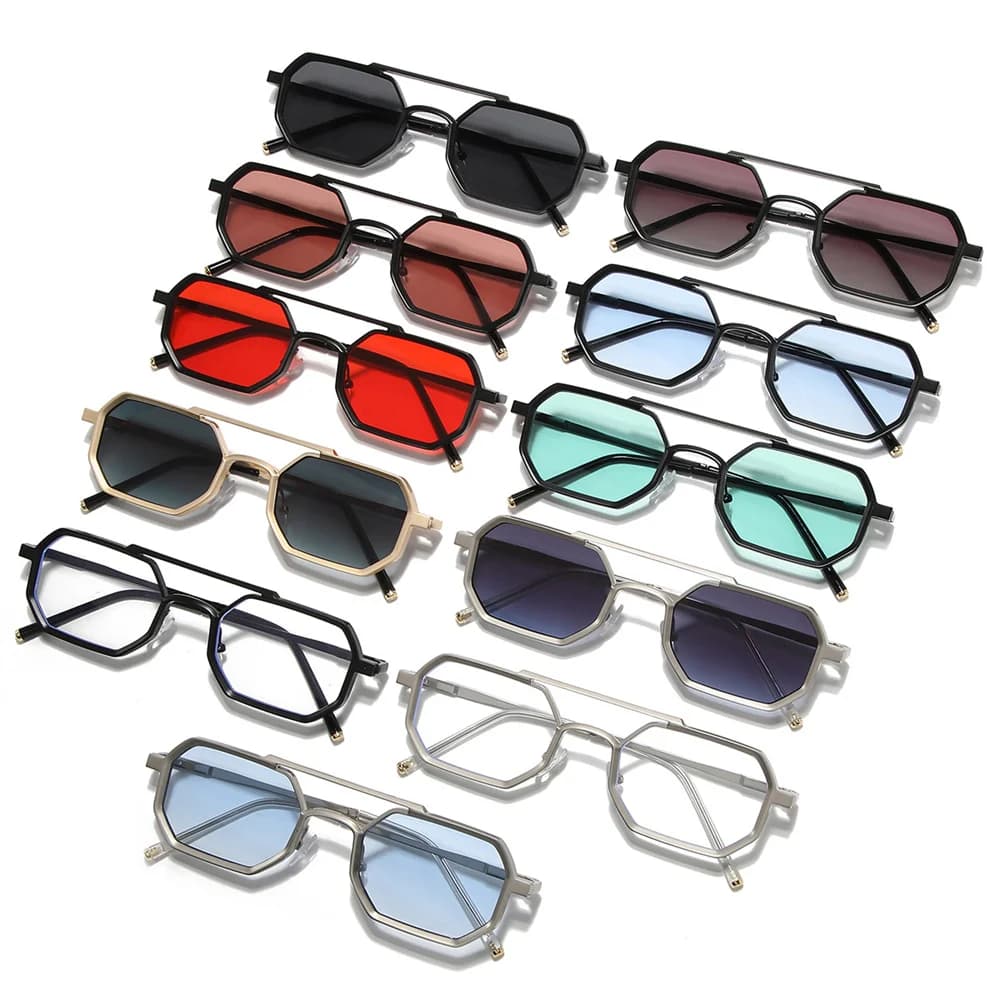
When selecting eyewear, consider models that clearly specify their UV protection capabilities, align with recognized standards, and offer good coverage. A product that meets these criteria for effective UV protection and versatile use is the Sun Glasses Luxury Sunglasses Metal Sunglasses Unisex Eyewear For Fashion Accessory UV Outdoor offers UV400 protection. This type of eyewear is designed to block nearly 100% of both UVA and UVB rays, meeting the high standards for comprehensive eye defense. The metal frame contributes to durability, while the unisex design ensures broad appeal and a comfortable fit for diverse facial structures, an important aspect for consistent wear and effective coverage.
When considering the Sun Glasses Luxury Sunglasses, verifying the explicit UV400 rating is paramount. This ensures that the aesthetic appeal and comfortable fit are backed by essential eye protection. Its design, often featuring lenses of adequate size, aims to minimize peripheral UV exposure, a key benefit for outdoor activities and daily use.
Maximizing Your Eye Health with UV Protective Eyewear
Owning UV protective eyewear is just the first step. Here's how to ensure you're getting the most out of your investment in eye health.
Regular Wear, Not Just Bright Days
Make wearing your UV protective sunglasses a habit, even on cloudy days or during winter. As discussed, UV rays penetrate clouds, and snow can reflect up to 80% of UV radiation, significantly increasing your exposure. Consistent use is the best defense against cumulative UV damage.
Combine with Other Protection
For maximum protection, pair your sunglasses with a wide-brimmed hat. This combination blocks UV rays from above and around the sides, protecting the delicate skin around your eyes and preventing additional peripheral exposure that even well-fitting sunglasses might miss. Seek shade during peak UV hours (typically 10 AM to 4 PM) whenever possible.
Proper Care for Longevity
Maintain the integrity of your lenses by cleaning them regularly with a microfiber cloth and lens cleaner. Avoid abrasive materials or harsh chemicals that can scratch or damage UV-protective coatings. Store your sunglasses in a protective case to prevent scratches when not in use. Damaged lenses may compromise their protective capabilities over time.
Consider Specialized Lenses
For specific needs, explore additional lens technologies. Photochromic lenses automatically adjust their tint based on UV exposure, offering convenience. Anti-reflective coatings on the back surface of lenses can prevent UV rays from reflecting off the back of the lens into your eyes, a subtle but significant enhancement, especially for wrap-around styles.
Your Eyes Deserve the Best Defense
Understanding the truth about UV protection empowers you to make smarter choices for your eye health. It's not about the darkness of the lens, but the verified UV-blocking technology within it. Prioritize certifications, adequate coverage, and consistent wear to protect your eyes from the invisible threats of UV radiation. What's one surprising thing you learned about UV protection today?