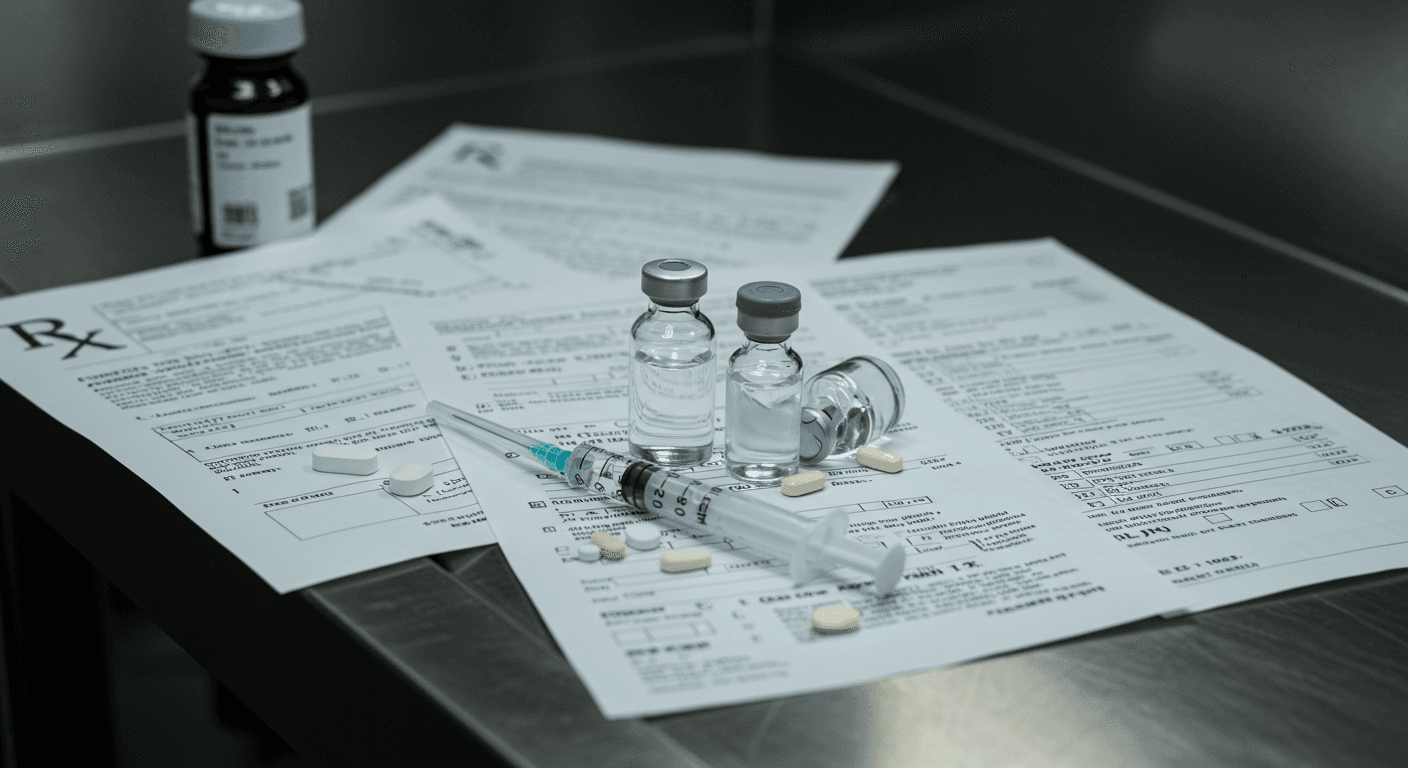
The Silent Epidemic: Deadly Drugs Disguised as Mail
A seemingly innocuous letter, a child's drawing, or even legal documents arriving at correctional facilities across the globe are increasingly becoming vectors for a silent, deadly epidemic. Highly potent, lab-made drugs, imperceptibly soaked into the pages of ordinary paper, are slipping past traditional security measures, claiming inmate lives and pushing prison authorities to their breaking point. This insidious method of smuggling has transformed the landscape of drug interdiction behind bars, leaving investigators frustrated and correctional staff in a constant state of vigilance.
Since early 2023, reports from various state and federal correctional systems highlight a disturbing surge in overdose incidents linked to these 'paper drugs.' The Ohio Department of Rehabilitation and Correction, for instance, confirmed 18 inmate fatalities in its facilities last year alone attributed to substances like fentanyl analogs and synthetic cannabinoids delivered via mail. This represents a 250% increase in such incidents compared to the previous two years, according to internal reports obtained by DailyWiz.
The Invisible Threat: How Drugs Are Disguised
The core of the problem lies in the chemical ingenuity of drug manufacturers. Highly concentrated synthetic opioids, such as carfentanil and various fentanyl analogs, along with synthetic cannabinoids like 5F-MDMB-PICA (often known by street names like 'Spice' or 'K2'), are dissolved in liquid solutions. This solution is then meticulously applied to paper – sprayed, brushed, or even used to 'paint' designs – and allowed to dry. Once dry, the paper appears completely normal, devoid of any tell-tale odor or visual residue.
"It's a perfect camouflage," explains Warden Thomas Brennan of Ohio's Riverside State Penitentiary. "A letter from a loved one or a legal brief from an attorney looks, feels, and smells like any other piece of paper. But a single page can contain enough active drug to cause multiple fatal overdoses." Inmates can then ingest the drug by tearing off a piece and swallowing it, or by smoking it after rolling it with tobacco, or even absorbing it through their skin, leading to rapid and often fatal consequences.
A Grim Tally Behind Bars
The human cost of this evolving smuggling tactic is profound. Correctional facilities, already grappling with overcrowding and staffing shortages, are now facing an unprecedented challenge in managing a surge in medical emergencies and deaths. The Federal Bureau of Prisons reported a 400% increase in overdose incidents related to synthetic substances on mail across its institutions in the last fiscal year ending September 2023. These aren't just isolated incidents; they represent a systemic vulnerability.
One tragic example occurred last November at a facility in Texas, where three inmates were found unresponsive within hours of mail delivery. Subsequent forensic analysis revealed pages from a children's book sent to one of the inmates were saturated with a potent fentanyl analog. "These aren't just drug users; they're victims of an incredibly dangerous and unpredictable delivery method," stated Dr. Anya Sharma, lead toxicologist at the National Forensic Science Center, who has been assisting multiple states with these cases.
The Forensic Frustration and Staff Risk
Detecting these paper-borne drugs presents immense challenges for law enforcement and prison staff. Traditional drug-sniffing K9 units, while highly effective against bulk narcotics, often fail to detect the odorless, microscopic drug particles infused into paper. Visual inspections are useless, and even advanced body scanners designed to find solid contraband are ineffective against a drug that is literally part of the paper itself.
Forensic laboratories are overwhelmed. Identifying the specific chemical compounds requires sophisticated equipment like liquid chromatography-mass spectrometry, a process that is time-consuming and expensive. Moreover, the extreme potency of these drugs poses a significant risk to staff handling mail. Accidental skin contact or inhalation of airborne particles can lead to severe illness or even death. Correctional officers are now routinely equipped with personal protective equipment (PPE), including gloves and masks, when handling inmate mail, a stark reminder of the danger.
Innovative Countermeasures and The Road Ahead
In response to this escalating crisis, correctional systems are implementing innovative, albeit sometimes controversial, countermeasures. Many facilities have adopted a "mail digitalization" policy, where all incoming physical mail is scanned, and inmates receive digital copies on tablets or through secure viewing stations. Original mail is then either destroyed or held in storage, preventing physical contact with potentially contaminated paper.
Other strategies include enhanced K9 training specifically tailored to detect the chemical signatures of these synthetic compounds, the deployment of specialized X-ray and chemical detection scanners, and increased intelligence sharing between federal and state agencies, including the Drug Enforcement Administration (DEA). "This isn't a battle we can win with old tactics," Warden Brennan affirmed. "We're in a constant arms race with these traffickers, and our strategies must evolve just as quickly as theirs." The fight against the invisible threat of paper drugs continues, demanding constant vigilance and adaptive solutions to protect those behind bars and the staff who guard them.


